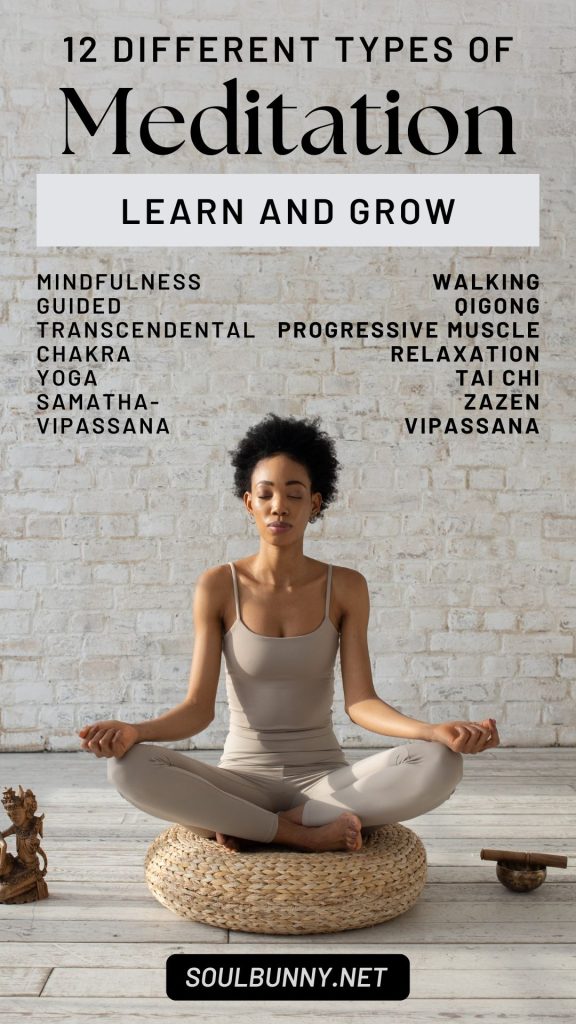
What Are the Different Meditation Types?

Meditation has been practiced for thousands of years and has evolved into various forms, each offering unique benefits. Below is a detailed exploration of different types of meditation, providing insights into their practices and impacts.
Introduction to Meditation Concepts
Meditation is a practice where an individual uses a technique to focus their mind on a particular object, thought, or activity to achieve a mentally clear and emotionally calm state. This ancient practice, rooted in various cultural and spiritual traditions, has gained global popularity for its ability to enhance mindfulness, reduce stress, and improve overall well-being.
The Benefits of Meditation
Regular meditation is known to offer numerous health benefits, including stress reduction, improved concentration, and an overall sense of well-being. It can also aid in managing anxiety, depression, and chronic pain. Different types of meditation cater to different needs, allowing individuals to choose a practice that best suits their lifestyle and goals.

Mindfulness Meditation
Origins and Principles: Originating from Buddhist teachings, mindfulness meditation is about being fully present in the moment and aware of your surroundings and feelings without judgment. It is one of the most accessible forms of meditation, requiring no specialized equipment or location.
Practice Techniques: In mindfulness meditation, the focus is often on the breath, observing thoughts and sensations without attachment. This practice can be done while sitting, walking, or even eating, making it versatile and adaptable to daily life.

Guided Meditation
Understanding Guided Meditation: This type of meditation involves a teacher or guide providing verbal instructions or imagery to help you enter a state of deep relaxation and focus. It’s especially beneficial for beginners who may find it challenging to direct their own meditation practices.
Variations and Tools: Guided meditations can vary significantly in length and content, often accompanied by music or nature sounds. They are widely available through apps, online platforms, and in-person sessions, offering a range of themes from stress relief to manifesting goals.

Transcendental Meditation
The Transcendental Approach: Transcendental Meditation (TM) is a trademarked meditation technique introduced by Maharishi Mahesh Yogi. It involves silently repeating a mantra for 15–20 minutes twice a day, designed to transcend normal thinking and achieve a state of pure consciousness.
Benefits and Research: TM is known for its standardized approach and has been the subject of numerous scientific studies, showing benefits like reduced stress, improved heart health, and enhanced cognitive function.

Chakra Meditation
Chakra Fundamentals: Involving the concept of chakras, or energy centers within the body, Chakra Meditation focuses on clearing and balancing these centers. It’s rooted in ancient Indian philosophy and often intertwined with yoga practices.
Techniques and Visualization: Chakra meditation involves focusing on each of the seven chakras, from the base of the spine to the crown of the head, using visualization, mantras, and sometimes specific postures or hand gestures (mudras) to enhance the practice.
Yoga Meditation
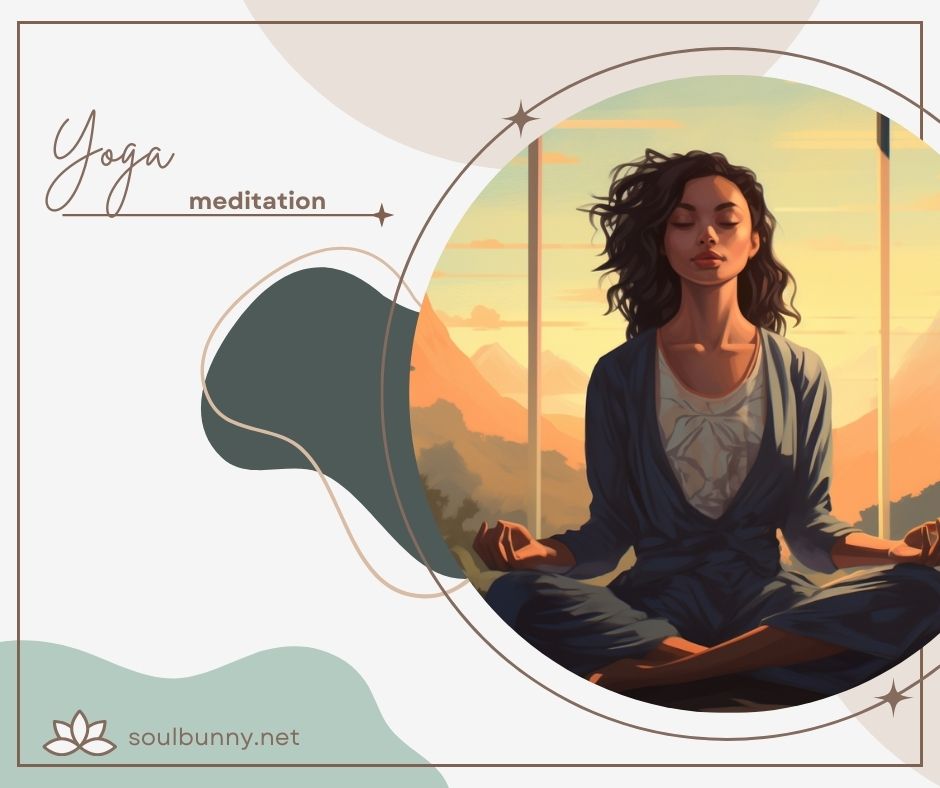
Integrating Mind and Body: Yoga meditation is a holistic approach that combines physical postures (asanas), breath control (pranayama), and meditation. It aims to harmonize the body and mind, leading to enhanced mindfulness and inner peace.
Practice and Varieties: This form of meditation can include various yoga styles, such as Hatha, Kundalini, or Ashtanga. Each style has its meditation techniques, often concluding with a period of stillness or guided meditation.

Samatha-Vipassana
Balancing Concentration and Insight: This Buddhist practice combines two elements: Samatha (calming meditation) and Vipassana (insight meditation). It’s a process of developing concentration followed by the cultivation of insight or clear seeing.
Techniques and Progression: Practitioners often start with mindfulness of breathing to develop focus, then transition to observing thoughts, emotions, and sensations as they arise, fostering deep insight into the nature of existence.
Walking Meditation
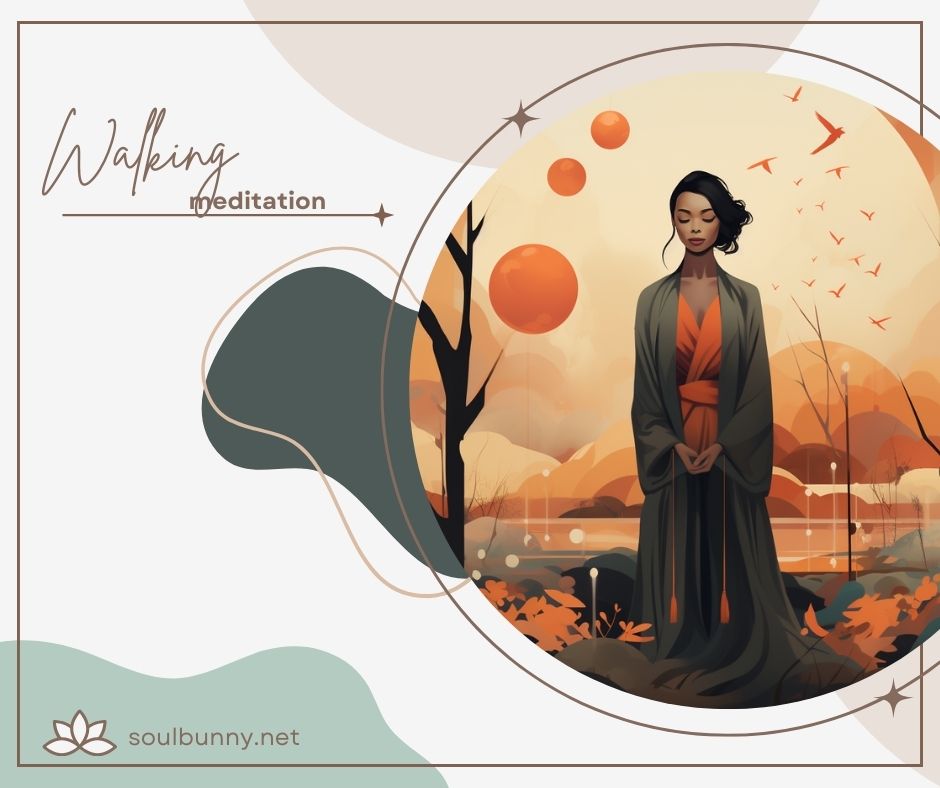
Mindfulness in Motion: Walking meditation is a form of mindfulness meditation where walking is the focus instead of the breath. It’s an excellent alternative for those who find stillness challenging and prefer movement.
Practicing Steps: The practice involves walking slowly and deliberately, fully aware of the sensation of each step. It can be practiced anywhere, from a quiet forest path to a busy city sidewalk.
Qigong
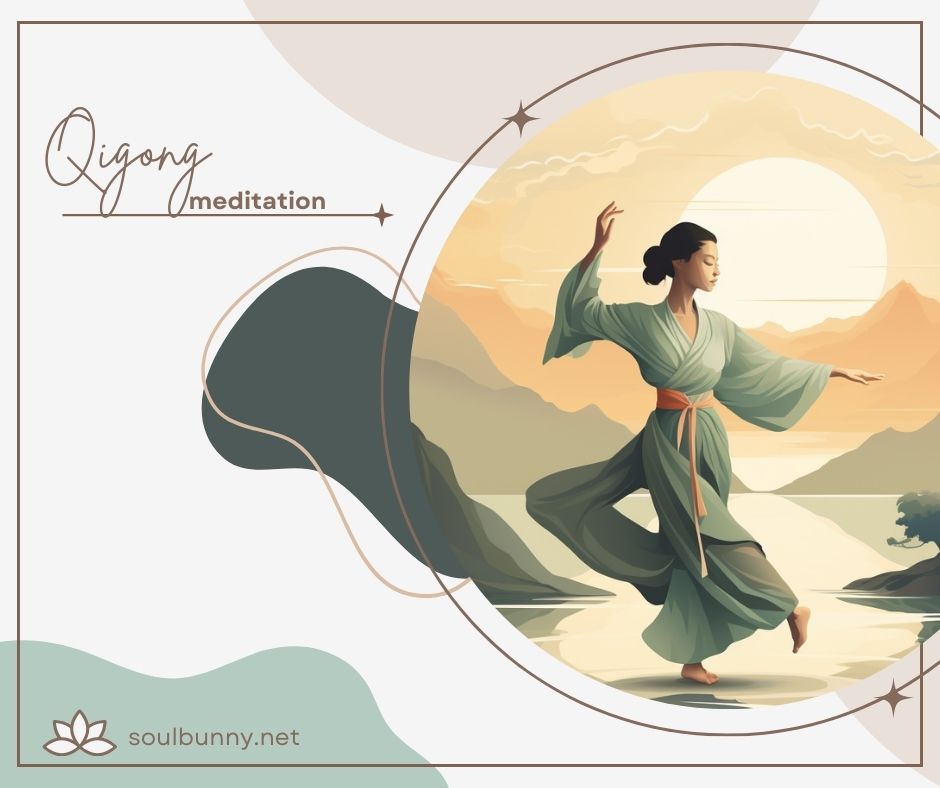
Ancient Chinese Healing Practice: Qigong combines meditation, breathing techniques, and physical movements to balance and cultivate ‘Qi’ (life energy). It’s rooted in traditional Chinese medicine and martial arts.
Methods and Benefits: Qigong practices can be dynamic or static, with a focus on gentle movements synchronized with breath control and mental concentration, aiding in stress reduction and physical health.
Progressive Muscle Relaxation
Relaxation Through Tension Release: This technique involves tensing and then relaxing different muscle groups in the body. It helps in reducing physical tension and mental anxiety.
Application and Effectiveness: Progressive muscle relaxation can be particularly beneficial for those with physical tension or stress-related disorders, teaching the body the difference between tension and relaxation.
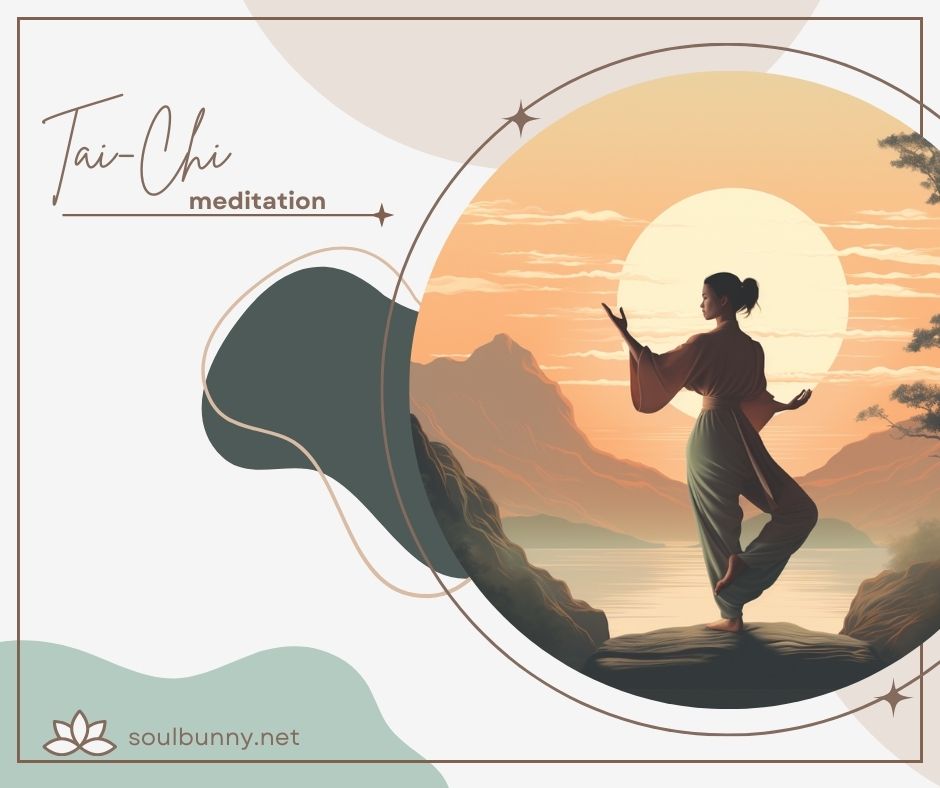
Tai Chi
Gentle Martial Art: Tai Chi is a form of gentle Chinese martial arts, often described as meditation in motion. It involves performing a series of movements in a slow, focused manner accompanied by deep breathing.
Health and Mindfulness Benefits: Tai Chi is renowned for its ability to reduce stress and anxiety, improve balance and flexibility, and boost overall health and well-being.
Zazen
Zen Meditation: Zazen, or seated meditation, is a central practice in Zen Buddhism. It emphasizes sitting in a specific posture and focusing on the breath, sometimes concentrating on a question or koan.
Principles and Practice: Zazen is less about achieving specific states of mind and more about letting go of judgment and awakening to the present moment in its entirety.
Vipassana
Insight Meditation: Vipassana is one of India’s oldest meditation techniques, focusing on deep interconnection between mind and body, observable through concentrated self-observation.
Technique and Retreats: It involves observing natural, ordinary breath and bodily sensations, understanding their impermanent nature. Vipassana is often taught in 10-day silent retreats, emphasizing experiential learning and self-transformation.
Each of these meditation practices offers unique paths to mental clarity, emotional balance, and spiritual insight. Whether through movement, focused attention, or insight, these diverse methods provide tools for individuals to explore deeper aspects of themselves and their connection to the world around them.