Unlocking the Mysteries: A Comprehensive Guide to Tarot as a Powerful Tool for Divination
What is Tarot?
Tarot is a centuries-old practice rooted in mysticism and symbolism. At its core, tarot is a system of divination that uses a deck of cards to gain insight into the past, present, and future. Each tarot card carries its own unique symbolism, which is interpreted by the reader to provide guidance, clarity, and self-reflection.

Overview of Tarot Cards
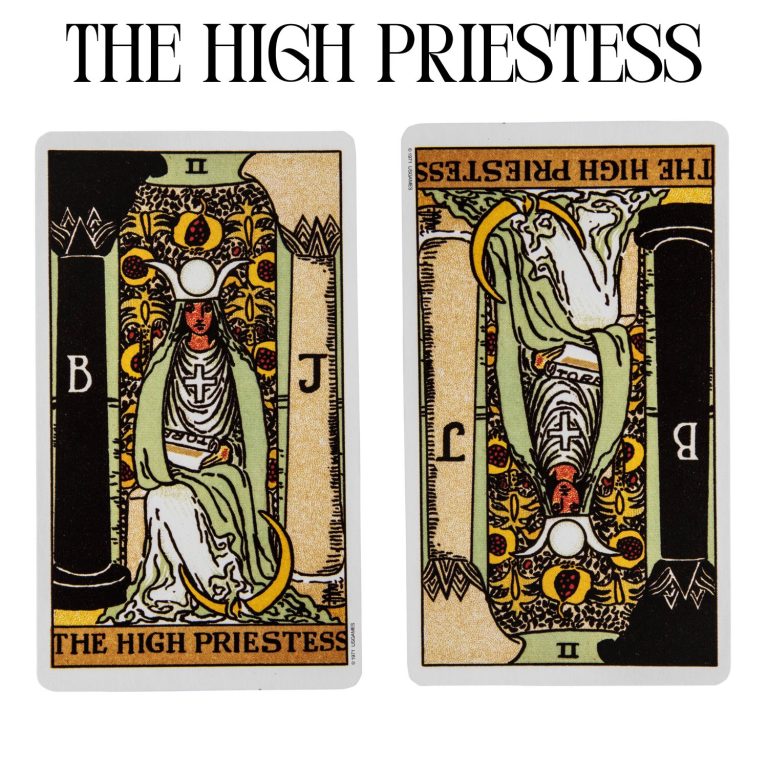
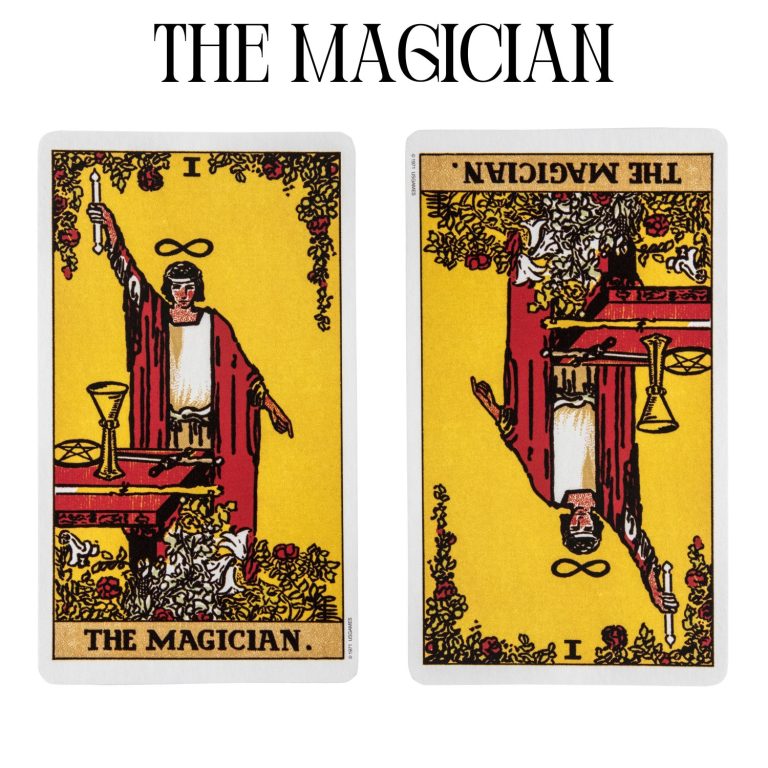
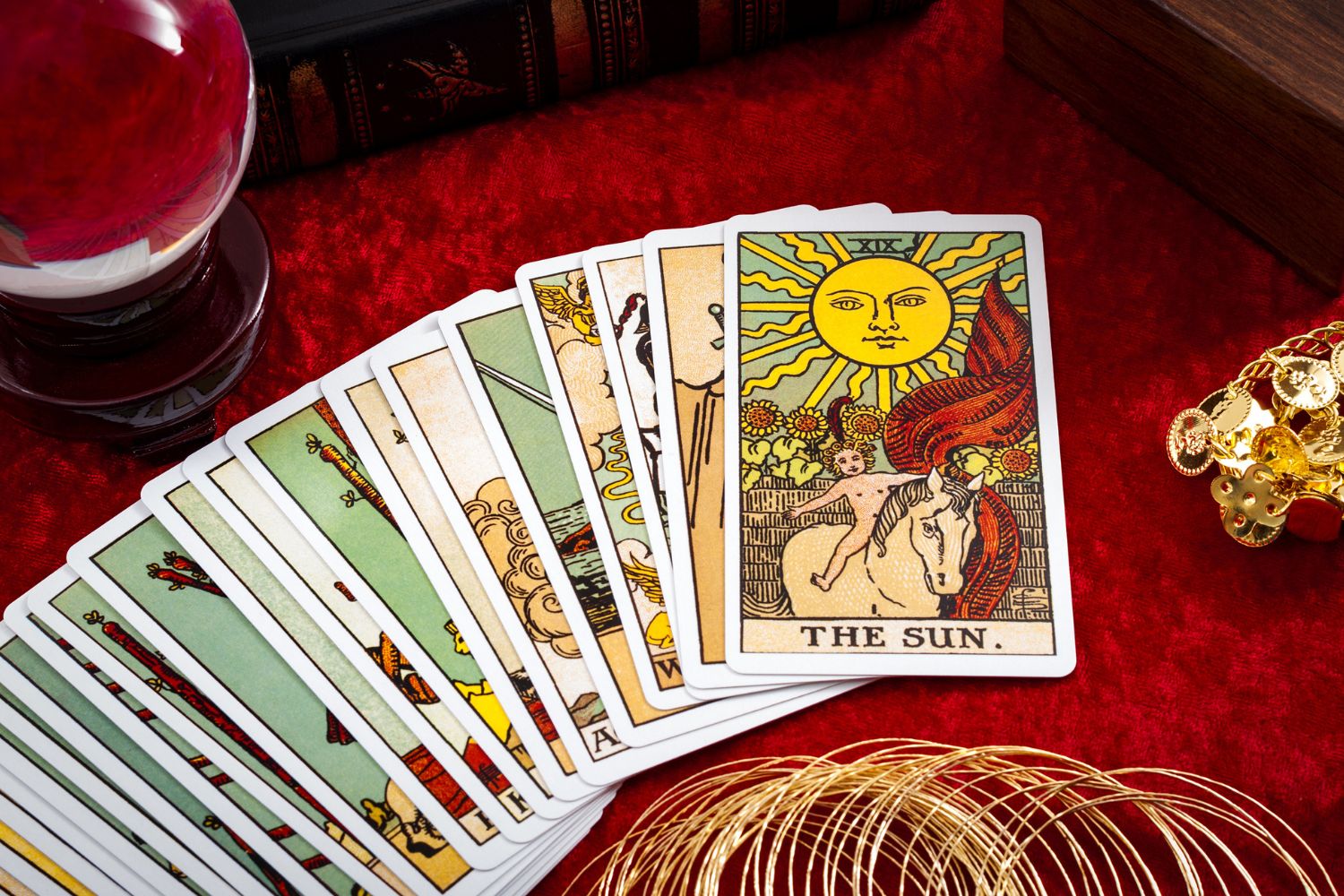
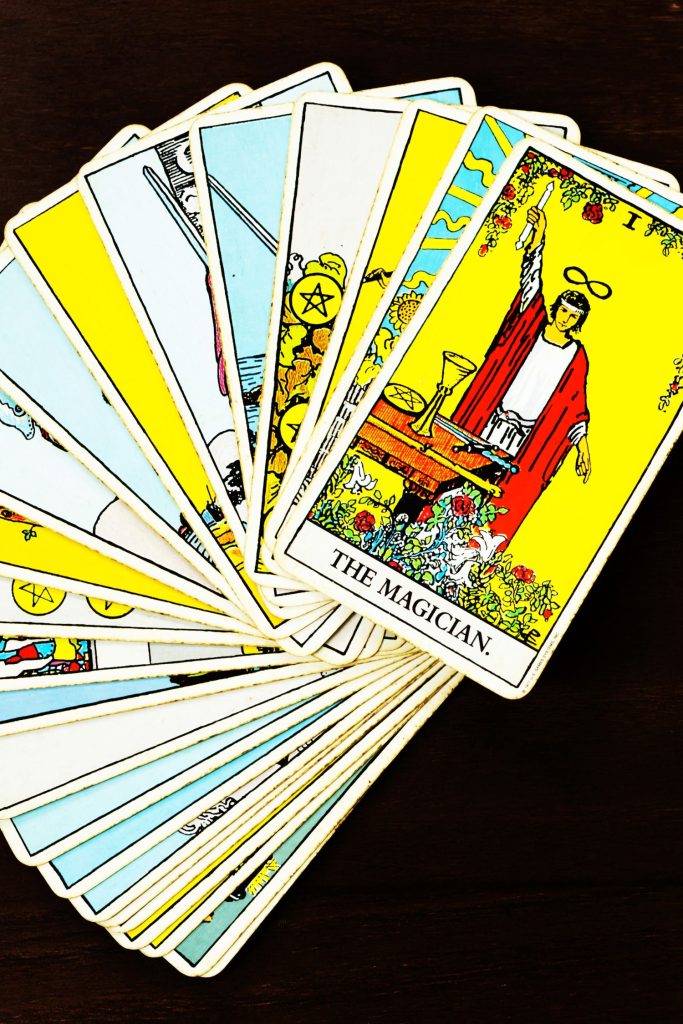
A standard tarot deck consists of 78 cards, divided into two main categories: the Major Arcana and the Minor Arcana. The Major Arcana comprises 22 cards, each representing a significant life lesson or archetype, such as The Fool, The Magician, and The Lovers. These cards symbolize major events and spiritual themes in a person’s life journey.
In contrast, the Minor Arcana consists of 56 cards divided into four suits: Wands, Cups, Swords, and Pentacles (or Coins). Each suit corresponds to a different aspect of human experience, such as creativity (Wands), emotions (Cups), intellect (Swords), and material concerns (Pentacles). The Minor Arcana cards reflect everyday situations and challenges encountered in life.
Symbolism in Tarot Cards
Central to tarot interpretation is the rich symbolism embedded within each card. Symbolism can vary depending on the deck’s artistic style and the reader’s intuitive understanding. Common symbols found in tarot cards include animals, plants, celestial bodies, and geometric shapes, each carrying layers of meaning and significance.
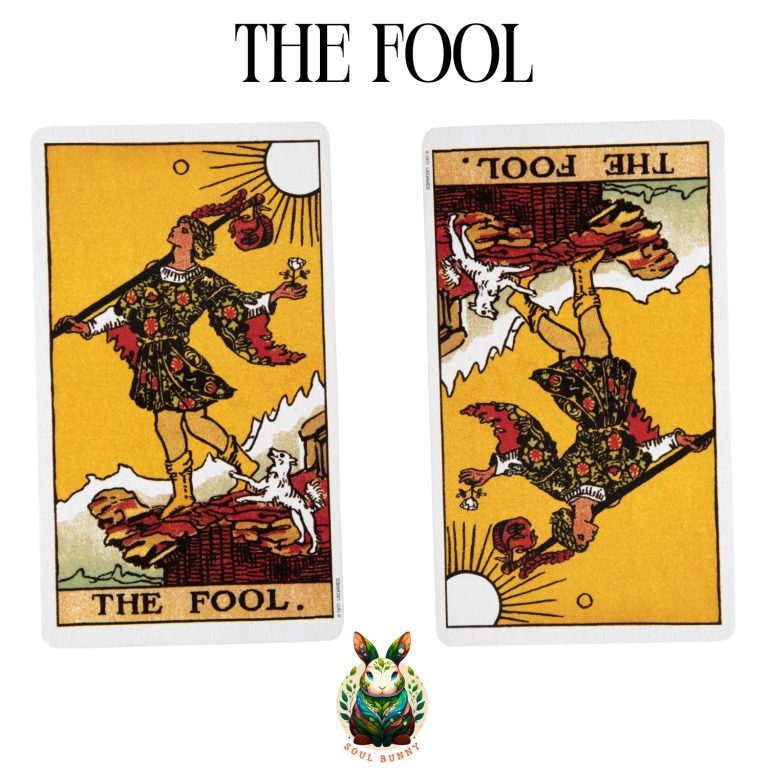
For example, The Fool card often depicts a figure embarking on a journey, symbolizing new beginnings, innocence, and taking risks. The presence of a dog symbolizes loyalty and instinct, while the cliff edge represents the unknown path ahead. Tarot readers interpret these symbols in the context of the querent’s question or situation, offering insights and guidance.
Tarot cards serve as mirrors reflecting the subconscious mind, inviting individuals to explore their innermost thoughts, emotions, and desires. Through the process of tarot reading, seekers gain clarity, validation, and a deeper understanding of themselves and their life path.
How Does Tarot Work?
Tarot operates on the principle that the cards are imbued with universal wisdom and energy, and through the act of shuffling and drawing cards, the reader taps into this collective consciousness. The connection between the diviner and the cards is often described as intuitive and symbiotic, where the reader acts as a channel for divine guidance and insight.
Connection Between Diviner and Cards
The process of tarot reading involves a deep connection between the diviner and the cards. Before a reading begins, the reader may engage in rituals or meditation to attune themselves to the energy of the cards and the querent’s question. Through focused intention and intuition, the reader selects and interprets the cards, drawing upon their own insights and spiritual guidance.
Role of Intuition and Interpretation
While tarot decks come with established meanings for each card, interpretation is highly subjective and relies heavily on the intuition of the reader. A skilled tarot reader not only understands the traditional meanings of the cards but also trusts their intuition to provide nuanced and personalized insights for the querent. This intuitive approach allows for a dynamic and fluid reading experience, tailored to the unique circumstances and energies present in the moment.
Concept of Synchronicity
Central to the practice of tarot is the concept of synchronicity, coined by Swiss psychologist Carl Jung. Synchronicity refers to meaningful coincidences that occur without a clear causal connection, yet carry significant personal or universal symbolism. In the context of tarot, synchronicity is believed to play a key role in the selection and arrangement of cards during a reading, guiding the reader to draw the cards that hold the most relevance and significance for the querent’s inquiry.
As the reader lays out the cards in a chosen spread and interprets their meanings within the context of the querent’s question, a dialogue unfolds between the conscious and unconscious realms, illuminating hidden truths, patterns, and possibilities. Through this process, tarot serves as a powerful tool for self-reflection, introspection, and spiritual growth.

Major Arcana vs. Minor Arcana
In tarot, the Major Arcana and the Minor Arcana serve distinct yet complementary roles in a reading.
Explanation of Major Arcana
The Major Arcana cards represent significant life themes, spiritual lessons, and archetypal energies. These 22 cards are often considered the heart of the tarot deck, embodying profound spiritual truths and universal principles. Each card in the Major Arcana carries its own distinct symbolism and narrative, offering deep insights into the human experience.
The journey through the Major Arcana is often likened to the Fool’s Journey, a metaphorical passage of self-discovery and enlightenment. Beginning with The Fool, representing innocence and new beginnings, and culminating with The World, symbolizing fulfillment and integration, the Major Arcana cards depict the soul’s evolution and transformation through life’s trials and triumphs.
Explanation of Minor Arcana
In contrast to the Major Arcana, the Minor Arcana cards focus on everyday experiences, challenges, and opportunities. Comprising four suits—Wands, Cups, Swords, and Pentacles—the Minor Arcana mirrors the aspects of daily life, including creativity, emotions, intellect, and material concerns.
Each suit consists of ten numbered cards representing various stages or aspects of the suit’s theme, along with four Court Cards—Page, Knight, Queen, and King—depicting different personality traits and roles within the suit. Together, the Minor Arcana cards provide practical guidance and insight into the querent’s current circumstances, relationships, and goals.
Key Differences and Purposes
While both the Major and Minor Arcana contribute to the depth and richness of a tarot reading, they serve distinct purposes. The Major Arcana offers overarching themes and spiritual insights, guiding the querent on their journey of self-discovery and personal growth. In contrast, the Minor Arcana provides practical advice and guidance for navigating everyday challenges and decisions, offering clarity and perspective on the querent’s immediate concerns.
By combining the wisdom of the Major and Minor Arcana in a tarot reading, the reader can offer holistic guidance and support, addressing both the larger patterns and the finer details of the querent’s life path.

Tarot Decks and Spreads
Different Types of Tarot Decks
Tarot decks come in various styles and artistic interpretations, each with its own unique symbolism and aesthetic appeal. Some of the most popular tarot decks include:
- Rider-Waite-Smith Tarot Deck: Considered the standard tarot 78-card deck, the Rider-Waite-Smith deck features vibrant illustrations and rich symbolism, making it accessible to tarot beginners and experienced readers alike.
- Thoth: Created by Aleister Crowley and Lady Frieda Harris, the Thoth tarot card deck is known for its esoteric symbolism and intricate artwork, drawing upon Hermetic principles and occult teachings.
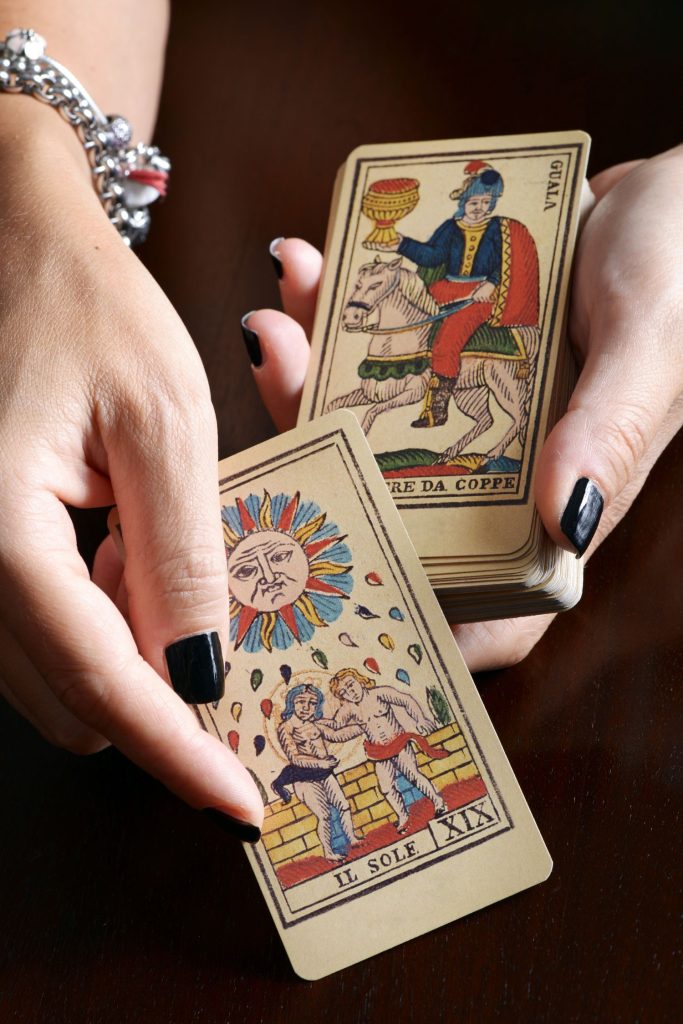
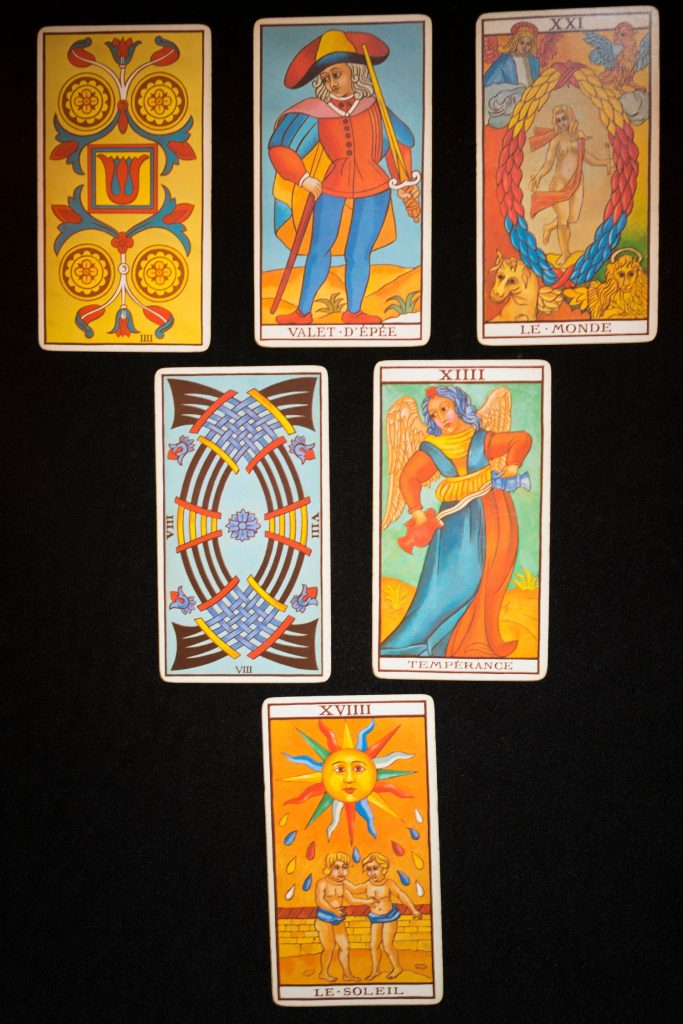
- Marseille: Originating from 18th-century France, the Marseille deck features simple yet elegant designs, emphasizing geometric shapes and bold colors to convey its meanings.
- Modern Decks: In addition to traditional decks, there are numerous modern tarot decks that reinterpret the classic themes and imagery in innovative ways, catering to diverse tastes and preferences.
Overview of Tarot Spreads
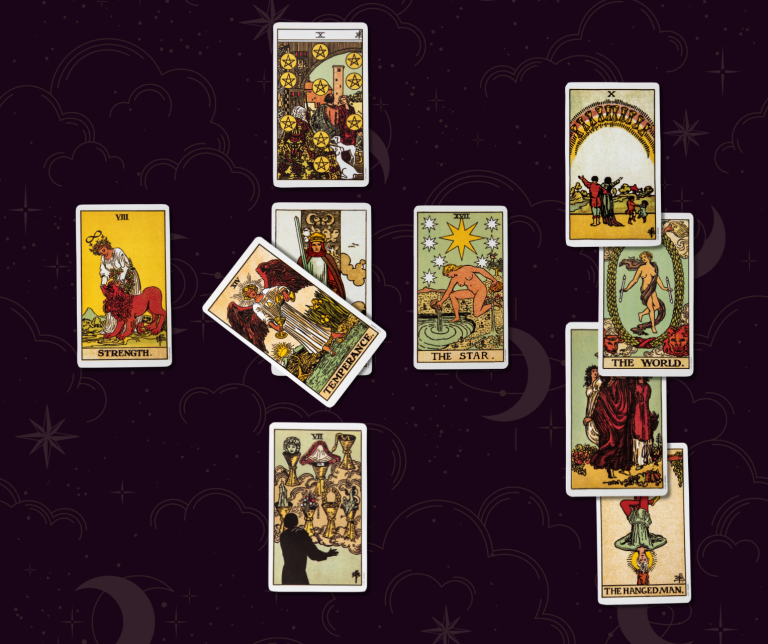
Tarot spreads are predefined arrangements of cards used to structure a reading and explore specific aspects of a querent’s life or inquiry. While there are countless tarot spreads, ranging from simple to complex, some of the most commonly used spreads include:
- Three-Card Spread: A simple yet versatile spread consisting of three cards, representing past, present, and future or the querent’s situation, action, and outcome.
- Celtic Cross: One of the most popular spreads, the Celtic Cross offers comprehensive insight into various aspects of the querent’s life, including challenges, influences, and potential outcomes.
- Relationship Spread: Designed specifically to explore matters of love and relationships, this spread provides guidance on the dynamics, challenges, and potential outcomes of romantic connections.
- Career Spread: Tailored for inquiries related to work, career, and professional goals, this spread offers insight into opportunities, challenges, and strategies for success in the querent’s professional life.
Importance of Spreads in Tarot Reading
Tarot spreads serve as frameworks for organizing and interpreting the cards, providing structure and coherence to a reading. Each spread is designed to address specific types of questions or areas of concern, allowing the reader to focus their intuition and insights on relevant aspects of the querent’s life.
By selecting an appropriate spread and laying out the cards in a deliberate pattern, the reader can uncover hidden patterns, identify key influences, and offer targeted guidance and advice tailored to the querent’s needs and circumstances.
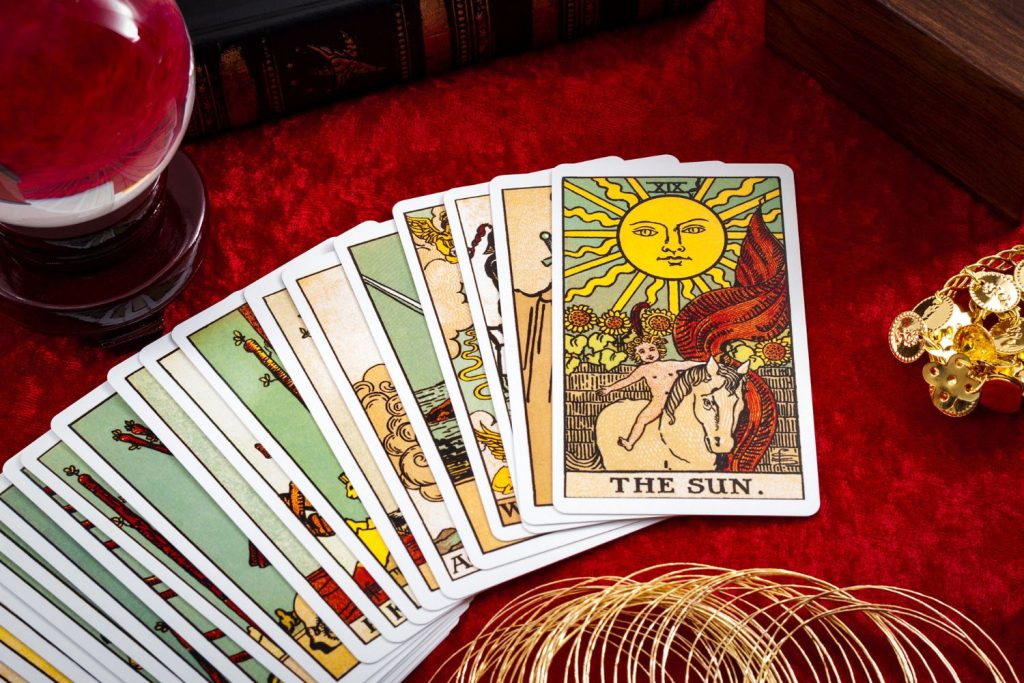
Differences in Tarot Decks
Artistic Variations
One of the most noticeable differences between tarot decks lies in their artistic style and visual presentation. While some decks adhere closely to traditional symbolism and imagery, others take creative liberties, reimagining the archetypes and themes in innovative ways. Artistic variations in tarot decks can range from classic and timeless to contemporary and avant-garde, appealing to diverse aesthetic preferences and sensibilities.
Cultural Influences
Tarot decks often reflect the cultural and historical contexts in which they were created, incorporating elements of mythology, folklore, and spiritual traditions. Decks influenced by Western esotericism may draw upon Hermetic principles, Kabbalistic symbolism, or alchemical imagery, while decks inspired by Eastern philosophies may incorporate motifs from Hinduism, Buddhism, or Taoism. These cultural influences imbue each tarot deck with its own unique flavor and perspective, enriching the tarot reading experience with layers of meaning and depth.
How to Choose a Tarot Deck
With countless tarot decks available on the market, choosing the right deck can be a daunting task. When selecting a tarot deck, consider factors such as your personal aesthetic preferences, spiritual beliefs, and intuitive connection with the imagery. Take time to explore different decks, examining the artwork, symbolism, and accompanying guidebooks to determine which deck resonates most strongly with you.
Additionally, consider the intended use of the tarot deck. If you’re a beginner seeking a user-friendly deck with clear imagery and concise interpretations, a traditional deck like the Rider-Waite-Smith may be a suitable choice. Alternatively, if you’re drawn to decks with deeper esoteric symbolism and philosophical depth, you may prefer a deck like the Thoth or Marseille.
Ultimately, the best tarot deck is one that speaks to your soul and inspires your intuition, fostering a deep and meaningful connection between you and the cards.
Tarot vs. Other Types of Divination
While tarot is a widely practiced form of divination, it is not the only method used to gain insight into the unknown. There are numerous other forms of divination, each with its own techniques, symbolism, and cultural significance. Here’s a comparison between tarot and some other popular divinatory practices:
Contrasting Tarot with Astrology
Astrology is a divinatory practice that interprets the positions and movements of celestial bodies to understand personality traits, predict future events, and offer guidance. Unlike tarot, which relies on a deck of cards, astrology utilizes the positions of planets, stars, and other celestial bodies within the zodiac to generate insights and predictions. While both tarot and astrology offer tools for self-reflection and guidance, they operate on different systems of symbolism and interpretation.
Contrasting Tarot with Runes
Runes are ancient symbols used for divination, originating from Norse and Germanic cultures. Rune casting involves selecting runes from a set of inscribed stones, wood pieces, or other materials, and interpreting their meanings based on their positions and relationships within a spread. Unlike tarot, which utilizes a structured deck of cards with predefined imagery, runes rely on abstract symbols with roots in ancient alphabets. While tarot emphasizes narrative storytelling and visual symbolism, runes offer concise, symbolic messages often associated with elemental forces and primal energies.
Unique Aspects of Tarot Reading
While tarot shares similarities with other forms of divination, it offers several unique aspects that distinguish it from alternative practices. One key aspect is the rich symbolism and narrative depth of tarot cards, which provide a comprehensive framework for exploring complex life themes and spiritual truths. Additionally, tarot readings often involve intuitive interpretation and personal reflection, allowing for a dynamic and interactive dialogue between the reader, the cards, and the querent. Unlike some divinatory practices that focus solely on prediction, tarot encourages self-awareness, empowerment, and spiritual growth through its holistic approach to guidance and insight.
By understanding the differences and similarities between tarot and other forms of divination, seekers can explore a variety of tools and techniques for gaining insight and inspiration on their spiritual journey.
In conclusion, tarot is a powerful tool for divination, offering guidance, clarity, and self-discovery to seekers worldwide. With its rich symbolism, intuitive interpretation, and deep spiritual significance, tarot serves as a beacon of wisdom and insight in an ever-changing world. Whether you’re a seasoned practitioner or a curious novice, exploring the mysteries of tarot can be a transformative journey of self-exploration and spiritual growth.
The most important thing to remember when making your first step into tarot card reading is that the imagery of the cards offer different meanings meant for each open-ended question. The meaning of the card may change, and so may your interpretation as you continue your tarot practice. The tarot questions asked by the querent are as important as the cards’ meanings to the tarot card reader. The only way to truly understand card meanings is to use your own intuition and practice with your own deck each new tarot spread you learn. I hope this serves as the ultimate guide to get you started.
As you embark on your tarot journey, remember that the true magic lies within you. Trust your intuition, embrace the symbolism of the cards, and allow the wisdom of tarot to illuminate your path with clarity and purpose.
May your tarot readings be insightful, enlightening, and empowering.