

Understanding Astrology: A Beginner’s Guide


Astrology is an ancient belief system that has captivated the human imagination for centuries. While it’s often confused with a science, it’s more accurately described as a metaphysical practice that delves into the intricate connections between celestial bodies and human life. Through this cosmic lens, astrology seeks to provide profound insights into the complexities of personality, behavior, and life events.

Astrology’s allure lies in its ability to offer a unique perspective on the individual and the universe, bridging the gap between the tangible and the ethereal. While it may not conform to the rigors of empirical science, it has enduring popularity as a tool for self-discovery, personal growth, and gaining a deeper understanding of the mysteries of existence. In the following sections, we’ll unravel the fundamentals of astrology, guiding you through the zodiac signs, birth charts, planetary influences, and practical applications to help you embark on your own cosmic journey of exploration and insight.
The Zodiac Signs
The 12 Zodiac Signs
A cornerstone of astrology is the division of the celestial sphere into 12 distinct signs, each of which carries its own unique set of personality traits and characteristics. These signs are often associated with the 12 months of the year and have been observed and studied for millennia. Below, we’ll provide a brief introduction to each of the 12 zodiac signs along with their representative symbols.
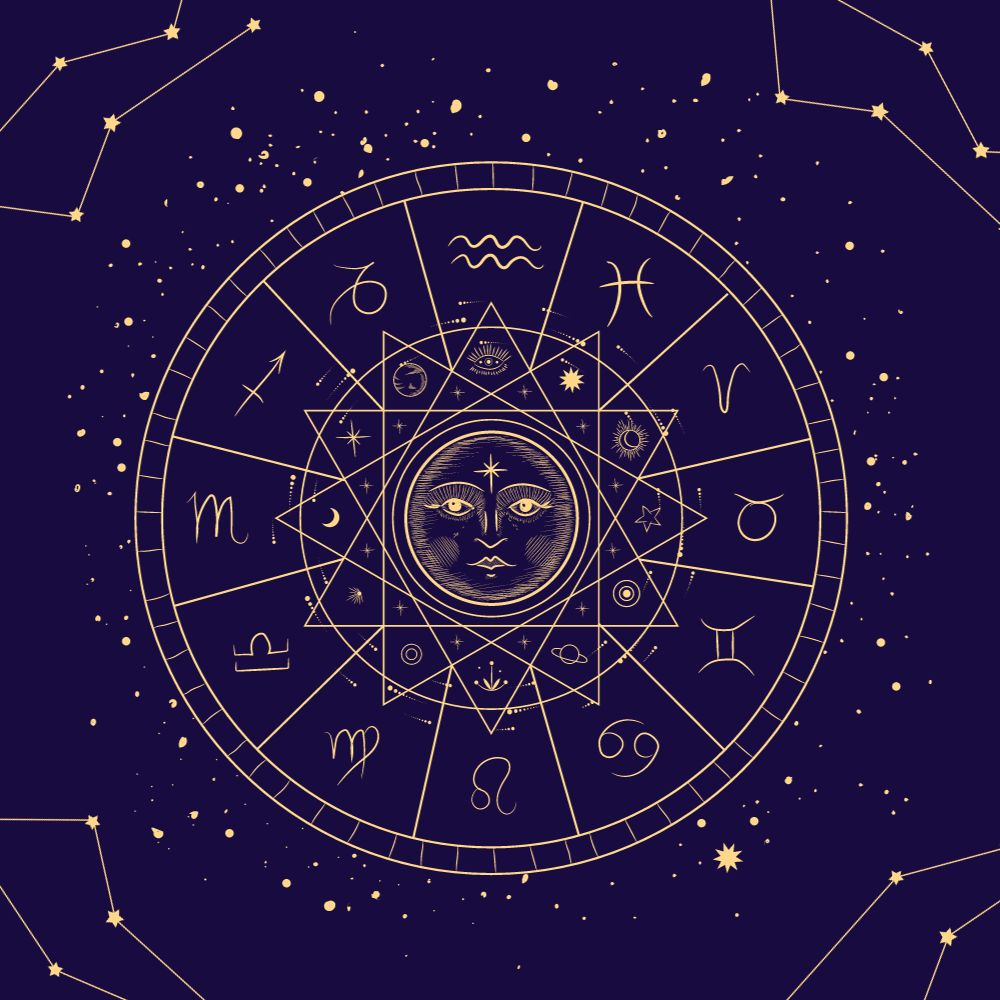
- Aries (March 21 – April 19)
- Symbol: The Ram
- Known for: Courage, enthusiasm, leadership.
- Taurus (April 20 – May 20)
- Symbol: The Bull
- Known for: Stability, determination, sensuality.
- Gemini (May 21 – June 20)
- Symbol: The Twins
- Known for: Versatility, curiosity, communication skills.
- Cancer (June 21 – July 22)
- Symbol: The Crab
- Known for: Nurturing, sensitivity, emotional depth.
- Leo (July 23 – August 22)
- Symbol: The Lion
- Known for: Confidence, charisma, leadership.
- Virgo (August 23 – September 22)
- Symbol: The Virgin
- Known for: Precision, practicality, attention to detail.
- Libra (September 23 – October 22)
- Symbol: The Scales
- Known for: Balance, diplomacy, fairness.
- Scorpio (October 23 – November 21)
- Symbol: The Scorpion
- Known for: Intensity, passion, depth.
- Sagittarius (November 22 – December 21)
- Symbol: The Archer
- Known for: Adventurousness, optimism, a love for freedom.
- Capricorn (December 22 – January 19)
- Symbol: The Goat
- Known for: Ambition, discipline, responsibility.
- Aquarius (January 20 – February 18)
- Symbol: The Water Bearer
- Known for: Innovation, humanitarianism, independence.
- Pisces (February 19 – March 20)
- Symbol: The Fishes
- Known for: Compassion, creativity, intuition.
Elements and Modalities
In astrology, the 12 zodiac signs are further classified into four elements and three modalities, which provide additional layers of insight into their nature and behavior.

Elements
- Fire Signs (Aries, Leo, Sagittarius)
- Known for: Passion, energy, assertiveness
- Element: Fire
- Earth Signs (Taurus, Virgo, Capricorn)
- Known for: Practicality, stability, groundedness
- Element: Earth
- Air Signs (Gemini, Libra, Aquarius)
- Known for: Intellect, communication, sociability
- Element: Air
- Water Signs (Cancer, Scorpio, Pisces)
- Known for: Emotion, intuition, sensitivity
- Element: Water

Modalities
- Cardinal Signs (Aries, Cancer, Libra, Capricorn)
- Known for: Initiative, leadership, change
- Represent the beginning of each season
- Fixed Signs (Taurus, Leo, Scorpio, Aquarius)
- Known for: Determination, stability, perseverance
- Represent the middle of each season
- Mutable Signs (Gemini, Virgo, Sagittarius, Pisces)
- Known for: Adaptability, flexibility, change
- Represent the end of each season
Understanding the elements and modalities associated with each sign is a key step in unraveling the intricacies of astrology and gaining insight into how these factors influence a sign’s nature and behavior.
Birth Charts
What is a Birth Chart?
A birth chart, also known as a natal chart or horoscope, is a fundamental concept in astrology. It serves as a personalized astrological map that provides profound insights into an individual’s personality, tendencies, and life path. This chart is derived from specific details: the individual’s birth date, time, and place. At its core, a birth chart is a snapshot of the celestial positions at the precise moment of a person’s birth.
Components of a Birth Chart
A birth chart comprises several essential components that work together to create a comprehensive profile of an individual’s astrological makeup. Understanding these components is crucial for interpreting the chart’s insights effectively.
1. Sun Sign
- The Sun sign, perhaps the most well-known component, represents an individual’s core essence and ego.
- It reflects one’s fundamental personality traits and is associated with a person’s sense of self.
- The Sun sign provides broad strokes of an individual’s character and is often what people refer to as their “zodiac sign.”
2. Moon Sign
- The Moon sign represents a person’s emotional nature, inner world, and instincts.
- It reflects how someone responds emotionally to situations and reveals their deeper emotional needs.
- The Moon sign can sometimes be more revealing about a person’s inner self than their Sun sign.
3. Ascendant (or Rising) Sign
- The Ascendant, also known as the Rising sign, represents the persona a person presents to the world and their initial reactions to new experiences.
- It influences physical appearance, first impressions, and the way one interacts with their environment.
- The Ascendant sign is determined by the exact time and place of birth.
4. Planetary Positions
- A birth chart includes the positions of all the planets in the solar system at the time of birth.
- Each planet symbolizes different aspects of life and personality. For example, Mercury represents communication, Venus represents love and beauty, and Mars represents action and drive.
- The positions of these planets in the signs and houses of the birth chart provide additional layers of insight into an individual’s characteristics and life experiences.
How They Interact
The beauty of a birth chart lies in the dynamic interplay between these components. Each element contributes to the overall personality profile in a unique way, and their interactions can be complex and nuanced. For example, a person’s Sun sign may indicate their fundamental traits, but their Moon sign can reveal how those traits are expressed emotionally. The Ascendant sign adds another layer by influencing how others perceive them.
In essence, a birth chart is a cosmic blueprint that helps astrologers and individuals understand themselves and their life path. It’s a powerful tool for self-discovery and personal growth, offering a holistic view of the many facets that make each person unique.
The Planets
Role of Planets
Planets play a central role in astrology, acting as celestial actors that influence various aspects of life and shape an individual’s personality. Each planet represents a unique set of qualities and energies that contribute to the complexity of an astrological birth chart. Here’s an overview of the significance of some key planets in astrology:

1. The Sun
- The Sun represents the core essence of an individual, their ego, and identity.
- It symbolizes self-expression, vitality, and the desire to shine in life.
- The Sun’s position in the birth chart highlights a person’s strengths and the areas where they seek recognition.
2. The Moon
- The Moon represents emotions, instincts, and the inner self.
- It influences how an individual responds emotionally to situations and relates to their emotional needs.
- The Moon’s placement reveals insights into a person’s emotional makeup and inner world.
3. Mercury
- Mercury is the planet of communication, intellect, and mental processes.
- It governs how one thinks, communicates, and processes information.
- The position of Mercury in the birth chart can reveal communication styles and intellectual tendencies.
4. Venus
- Venus represents love, beauty, and values.
- It influences one’s approach to relationships, aesthetics, and pleasures.
- Venus’ placement can provide insights into a person’s romantic and social inclinations.
5. Mars
- Mars is the planet of action, drive, and assertiveness.
- It governs how one takes initiative, pursues goals, and handles conflicts.
- Mars’ position can indicate a person’s energy level and approach to challenges.
6. Jupiter
- Jupiter is associated with expansion, growth, and abundance.
- It represents opportunities, optimism, and a sense of purpose.
- Jupiter’s placement can reveal where a person seeks to expand their horizons and find fulfillment.
7. Saturn
- Saturn is the planet of discipline, responsibility, and limitations.
- It governs structure, self-discipline, and lessons in life.
- Saturn’s position highlights areas where one may face challenges and learn valuable life lessons.
8. Uranus, Neptune, and Pluto
- These three outer planets represent generational influences and deeper transformative forces.
- Uranus brings innovation and change, Neptune represents dreams and intuition, and Pluto signifies transformation and rebirth.
- Their positions in the birth chart can reveal generational themes and transformative potential.
Planetary Aspects
In addition to the individual meanings of planets, astrology also considers how planets interact with each other through aspects. Planetary aspects are the angles formed between planets in a birth chart, and they add depth to the interpretation. Here are some common planetary aspects and their impact:

1. Conjunctions
- A conjunction occurs when two planets are close together in the same sign.
- It signifies a blending of energies, intensifying the qualities of both planets.
- Conjunctions can indicate areas of focus and strong personality traits.
2. Squares
- A square forms when two planets are 90 degrees apart, creating tension and challenges.
- It indicates internal conflicts and the need for growth and change.
- Squares can be motivating but also bring obstacles to overcome.
3. Trines
- A trine occurs when two planets are 120 degrees apart, indicating harmony and ease.
- It suggests natural talents and areas where things flow smoothly.
- Trines can represent opportunities and gifts.
4. Sextiles
- A sextile forms when two planets are 60 degrees apart, indicating cooperation and positive potential.
- It represents opportunities that require some effort to seize.
- Sextiles can indicate areas of ease and potential growth.
5. Oppositions
- An opposition occurs when two planets are 180 degrees apart, highlighting opposing forces.
- It signifies a need to find balance and make choices between two opposing influences.
- Oppositions can bring awareness of inner conflicts and external challenges.
Understanding planetary aspects in a birth chart helps astrologers paint a more detailed and nuanced picture of an individual’s life and personality. These aspects reveal the complex interplay of energies that shape a person’s journey through life.
Astrology and You
Finding Your Sun Sign
One of the first steps in exploring astrology is discovering your Sun sign, which represents your core personality traits. Here’s how you can determine your Sun sign based on your birthdate:
- Check Your Birthdate: Find your birthdate on the calendar.
- Consult an Astrology Resource: Use an astrology book, website, or app to match your birthdate with the corresponding zodiac sign.
- Common Personality Traits: Once you know your Sun sign, you can explore the common personality traits associated with it. Here’s a brief overview of the 12 Sun signs:
- Aries: Energetic, adventurous, and independent.
- Taurus: Reliable, patient, and practical.
- Gemini: Versatile, curious, and communicative.
- Cancer: Nurturing, sensitive, and empathetic.
- Leo: Confident, generous, and charismatic.
- Virgo: Detail-oriented, analytical, and service-oriented.
- Libra: Balanced, diplomatic, and sociable.
- Scorpio: Intense, passionate, and transformative.
- Sagittarius: Optimistic, adventurous, and open-minded.
- Capricorn: Ambitious, disciplined, and responsible.
- Aquarius: Innovative, humanitarian, and independent.
- Pisces: Compassionate, creative, and intuitive.
Exploring Your Birth Chart
While your Sun sign provides valuable insights, delving deeper into astrology involves examining your complete birth chart. Encourage readers to take the following steps:
- Generate Your Birth Chart: Use reputable online resources or consult a professional astrologer to create your personalized birth chart. You’ll need your birth date, time, and place for accuracy.
- Understand the Components: Familiarize yourself with the different elements of your birth chart, including the Sun, Moon, Ascendant (Rising) sign, and planetary positions. Each element contributes to your unique personality profile.
- Seek Interpretations: Interpretation of a birth chart can be complex, so suggest resources or professional astrologers who can provide in-depth analyses. Many online tools offer free interpretations, and professional astrologers can offer personalized insights.
Practical Applications
Astrology in Daily Life
Astrology can be a valuable tool for self-reflection, personal growth, and understanding relationships. Here are some practical ways readers can incorporate astrology into their lives:
- Self-Reflection: Use astrology to gain deeper insights into your strengths, weaknesses, and life purpose. Reflect on how your astrological profile aligns with your experiences.
- Personal Growth: Identify areas for personal growth and development based on your birth chart. Astrology can highlight areas where you may want to focus your efforts.
- Understanding Relationships: Explore how astrological compatibility works to enhance your understanding of your relationships. Consider the compatibility of your Sun signs, Moon signs, and other aspects for more harmonious connections.
Making Informed Decisions
Astrology can assist in decision-making by providing a cosmic perspective. Here are examples of how people might use astrology for informed decisions:
- Choosing the Right Career: Consider your birth chart’s indications to align your career with your strengths and passions.
- Timing Significant Events: Astrology can help identify auspicious times for important life events such as weddings, job changes, or investments.
- Navigating Challenges: When facing challenges, astrology can provide insights into potential solutions and coping strategies based on your astrological profile.

A Cosmic Perspective
In this journey through the basics of astrology, we’ve explored an ancient belief system that offers a unique and cosmic perspective on the human experience. Astrology, while not a science, is a profound metaphysical practice that delves into the intricate connections between celestial bodies and our lives on Earth. As we conclude, let’s recap the key points and emphasize the role of astrology in understanding ourselves and navigating life’s journey.
Astrology serves as a profound tool for self-discovery and personal growth. It provides us with insights into our fundamental personality traits, emotional makeup, and life path. By exploring our birth charts and understanding the influence of the planets, we gain a deeper understanding of the complex tapestry of our lives.
Through astrology, we can find answers to questions about our strengths, weaknesses, and life’s purpose. It offers a cosmic mirror that reflects our innermost selves and provides guidance on our unique journey through life. Whether we turn to our Sun sign for a quick peek at our core qualities or delve into the intricacies of our complete birth chart, astrology can serve as a valuable resource for introspection and personal development.
As we conclude our exploration of astrology, I encourage you, the reader, to embark on your own cosmic journey of discovery. Explore your birth chart, seek interpretations, and embrace the insights astrology offers. By doing so, you may find a deeper connection to your true self and a heightened awareness of the celestial forces that shape your path.
Incorporate astrology into your life as a tool for self-reflection, personal growth, and a greater understanding of the relationships and decisions that shape your world. With a cosmic perspective, you can navigate the complexities of life with wisdom and insight, allowing astrology to illuminate your path toward self-discovery and personal evolution.