

Kundalini Energy – What is It, and How Do you Awaken it?


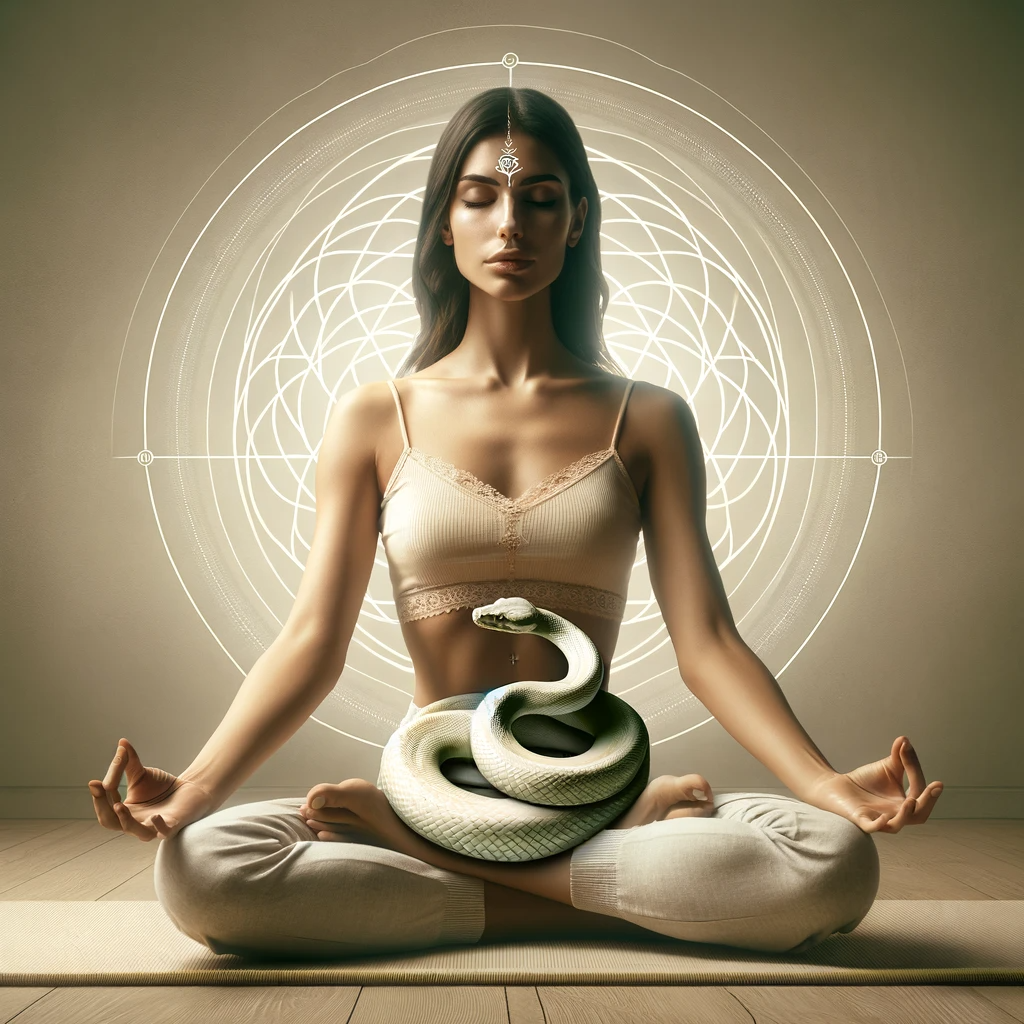
Kundalini energy, in its essence, is a powerful and latent force believed to reside at the base of the spine, often depicted as a coiled serpent. This ancient concept, rooted in Eastern spiritual traditions, represents the untapped potential within us all. When awakened, Kundalini energy is said to travel upward through the spinal column, activating the seven chakras, or energy centers, along its path.
This journey is not just a transformative spiritual experience; it symbolizes the unfolding of our innate spiritual wisdom, leading to higher consciousness, self-realization, and a profound understanding of the universe and our place within it. Through the practices of yoga, meditation, and mindful living, Kundalini energy can be awakened, offering a path to balance, enlightenment, and a deeper connection with the self.

Understanding Kundalini: Definition and Origins
Kundalini is a term rooted in ancient Indian philosophy and yoga, often described as a dormant energy present at the base of the spine. The word ‘Kundalini’ in Sanskrit can be translated to mean ‘coiled’, symbolizing a sleeping serpent. This energy is believed to be the primal force or Shakti that resides within each individual.
Historically, the concept of Kundalini finds its origins in the Upanishads, a collection of ancient Indian texts that form the theoretical basis of Hindu religion. Kundalini is often associated with the divine feminine energy. The awakening of this energy is central to spiritual growth and enlightenment in various Eastern spiritual traditions, particularly within Tantra and Yoga.
The Concept of Chakras: What Are They?
Chakras are energy centers within the human body, crucial in the practice of Kundalini yoga. The word ‘Chakra’ translates to ‘wheel’ or ‘disk’ in Sanskrit, symbolizing a series of spinning energy wheels that run along the spine. There are seven main chakras, each located at specific points between the base of the spine and the crown of the head.
These chakras are thought to be the centers where the physical and spiritual meet. Each chakra is associated with different aspects of our physical, emotional, and spiritual well-being. They are often depicted as lotus flowers, each with a different number of petals, colors, and symbolisms.
The Journey of Kundalini Energy
The Awakening of Kundalini: An Overview
The awakening of Kundalini refers to the process of this dormant energy rising from the base of the spine through the chakras, reaching the crown chakra at the top of the head. This journey is often described as transformative, leading to heightened states of consciousness and spiritual enlightenment.
The awakening can be spontaneous or triggered through specific spiritual practices. It is described as a powerful and sometimes intense experience, often accompanied by physical sensations, emotional releases, and profound revelations.
The Role of Meditation and Yoga: Practices for Awakening
Meditation and yoga are key practices in facilitating the awakening of Kundalini energy. These practices help to purify the body and mind, creating a conducive environment for the energy to rise.
- Meditation: Focused meditation techniques, especially those that concentrate on the breath and the chakras, can help in harmonizing and awakening Kundalini.
- Yoga: Kundalini Yoga, a specific branch of yoga, combines postures (asanas), breath work (pranayama), meditation, and the chanting of mantras. These practices are designed to strengthen the body’s energy systems, remove blockages, and encourage the flow of Kundalini energy.
The journey of Kundalini is unique to each individual and requires guidance and understanding. It is a path of self-discovery, leading to profound inner transformation and a deeper connection with the self and the universe.

Exploring the Seven Chakras
Root Chakra (Muladhara): Foundation and Stability
The Root Chakra, known as Muladhara in Sanskrit, is located at the base of the spine. It’s associated with the element of earth and symbolizes our foundation and sense of stability. This chakra is key to our feelings of safety and security, both physical and emotional. When balanced, it provides the sense of grounding and support needed to build a stable life.
Sacral Chakra (Svadhisthana): Creativity and Sexuality
Located just below the navel, the Sacral Chakra or Svadhisthana, relates to the water element. It governs our creativity, emotional balance, and sexuality. This chakra is the center of pleasure and enjoyment, dealing with our ability to accept others and new experiences. A balanced Sacral Chakra is often linked to the ability to express emotions freely and harmoniously engage in relationships.
Solar Plexus Chakra (Manipura): Personal Power and Self-Confidence
The Solar Plexus Chakra, known as Manipura, sits in the stomach area. Associated with the fire element, it’s the source of personal power, self-esteem, and confidence. This chakra governs our ability to be confident and in control of our lives. When balanced, it endows the individual with a sense of empowerment and self-mastery.
Heart Chakra (Anahata): Love and Compassion
Anahata, or the Heart Chakra, is located in the center of the chest. It represents the air element and is the center of love, warmth, compassion, and joy. This chakra is responsible for our ability to love unconditionally and to experience deep empathy and compassion. The balance in this chakra allows us to feel connected and loving towards ourselves and others.
Throat Chakra (Vishuddha): Communication and Self-Expression
The Throat Chakra, Vishuddha, located in the throat, corresponds with the ether element. This chakra is linked to our ability to communicate and express our thoughts and feelings. It influences our capacity for truthfulness, openness, and the expression of ideas. A balanced Throat Chakra enables effective communication and creative expression in all aspects of life.
Third Eye Chakra (Ajna): Intuition and Wisdom
Ajna, or the Third Eye Chakra, is situated between the eyebrows. It’s associated with the element of light and represents intuition, foresight, and a connection to wisdom and insight. This chakra’s balance is key to developing a strong intuition, enabling us to see the big picture and make decisions aligned with our higher selves.
Crown Chakra (Sahasrara): Spiritual Connection and Enlightenment
The Crown Chakra, known as Sahasrara, is at the top of the head. This chakra represents the highest state of enlightenment and relates to pure consciousness. It’s our connection to the divine, the universe, and our higher selves. When this chakra is balanced, it brings spiritual insight, mindfulness, and a sense of deep peace and harmony.
Each of these chakras plays a vital role in our physical, emotional, and spiritual well-being. Understanding and balancing these energy centers can lead to a more harmonious and fulfilling life.
The Physical and Spiritual Aspects
Physical Impact: How Kundalini and Chakras Affect the Body
Kundalini and the chakras, while deeply rooted in spiritual traditions, have significant physical implications. When Kundalini energy awakens and moves through the chakras, it can lead to profound physical changes and benefits. These may include increased energy levels, enhanced immune system, and improved overall health. The balancing of chakras can also alleviate physical ailments related to each specific chakra, such as digestive issues for the Solar Plexus Chakra or heart-related problems for the Heart Chakra.
Spiritual Significance: Inner Transformation and Higher Consciousness
On a spiritual level, Kundalini and chakras represent the journey towards enlightenment and self-realization. The awakening of Kundalini energy is often described as a transformative experience, leading to expanded consciousness, heightened mental clarity, and a deep sense of connectedness with the universe. It also facilitates a journey of inner healing, allowing individuals to address deep-seated emotional traumas and psychological blocks.
Practices and Techniques
Yoga for Chakra Balancing: Specific Asanas and Their Benefits
Yoga is an effective tool for balancing and aligning the chakras. Specific asanas (poses) can be practiced to open and energize each chakra:
- Root Chakra: Mountain Pose (Tadasana) for grounding and stability.
- Sacral Chakra: Bound Angle Pose (Baddha Konasana) for emotional balance and creativity.
- Solar Plexus Chakra: Warrior Pose (Virabhadrasana) to boost confidence and personal power.
- Heart Chakra: Camel Pose (Ustrasana) to open the heart and encourage love and compassion.
- Throat Chakra: Fish Pose (Matsyasana) for improving communication.
- Third Eye Chakra: Child’s Pose (Balasana) to enhance intuition.
- Crown Chakra: Corpse Pose (Savasana) for spiritual connection.
Each of these poses helps to activate and balance the energy in the corresponding chakra, promoting harmony between the body, mind, and spirit.
Meditation and Breathwork: Techniques for Kundalini Awakening
Meditation and breathwork are fundamental practices in the journey of Kundalini awakening. Techniques include:
- Focused Breathing: Deep, controlled breathing to stimulate the flow of energy.
- Chakra Meditation: Visualizing and meditating on each chakra, often accompanied by chanting specific mantras.
- Kundalini Meditation: Techniques specifically designed to awaken the Kundalini energy, such as Kriya Yoga.
These practices not only help in awakening the Kundalini energy but also play a crucial role in maintaining a balanced and harmonious energy flow throughout the chakras.
Through these physical and spiritual practices, individuals can embark on a transformative journey, exploring the depths of their inner selves and connecting with the greater energies of the universe.
Common Misconceptions and Challenges
Debunking Myths: What Kundalini and Chakras Are Not
There are several misconceptions surrounding Kundalini and the chakras. One common myth is that Kundalini awakening can grant supernatural powers or lead to immediate enlightenment. In reality, Kundalini awakening is a process of inner transformation and self-realization, not a shortcut to extraordinary abilities.
Another misconception is that working with chakras is inherently tied to specific religious practices. While chakras have roots in Hinduism and Buddhism, the concepts are also embraced in various holistic and wellness practices worldwide, independent of religious beliefs.
Navigating Challenges: Potential Obstacles and Solutions
Embarking on the journey of Kundalini awakening and chakra balancing can present challenges. One might experience physical symptoms like restlessness or emotional upheavals during the process. It’s important to approach these practices with patience and without force. Guidance from experienced teachers can be invaluable. Additionally, maintaining a balanced lifestyle, including a healthy diet, regular exercise, and sufficient rest, can support this journey.
The Impact on Daily Life
Integrating Kundalini and Chakra Practices: Everyday Applications
The principles and practices associated with Kundalini and chakras can significantly enhance daily life. Regular meditation and yoga can improve mental clarity, stress management, and emotional stability. Awareness of chakra energies can lead to more mindful living, where one is more attuned to their physical and emotional needs. For instance, understanding the Root Chakra can enhance one’s sense of grounding and stability in challenging situations, while awareness of the Heart Chakra can foster deeper empathy and compassion in relationships.
Incorporating these practices into everyday routines does not necessarily require extensive time commitments. Even short periods of meditation or specific yoga asanas can be effective. The key is consistency and mindfulness, allowing these ancient wisdoms to positively influence modern lifestyles.
Kundalini energy is a profound and dynamic force at the core of human potential. Envisioned as a dormant serpent lying coiled at the spine’s base, it encapsulates the untapped spiritual power within each individual. The awakening of this energy signifies a transformative journey, leading to the activation and harmonization of the body’s seven key energy centers, or chakras. This process not only fosters a deepening of spiritual awareness but also catalyzes a journey towards self-discovery and enlightenment.
By engaging in practices like yoga and meditation, we can gently coax this sleeping serpent to rise, thereby unlocking a realm of heightened consciousness and a more profound connection with the world around us. Kundalini energy, thus, stands as a beacon of inner transformation and spiritual evolution.

Further Reading and Learning: Books, Workshops, and Online Resources
To deepen your understanding and practice, consider the following resources:
- Books:
- “Kundalini: The Arousal of the Inner Energy” by Ajit Mookerjee – A comprehensive guide on the concept of Kundalini.
- “Wheels of Life: A User’s Guide to the Chakra System” by Anodea Judith – Offers in-depth insights into the chakra system.
- Workshops and Courses:
- Online Resources:
- Websites like Yoga Journal and The Chopra Center offer articles, guides, and tips on Kundalini and chakra practices.
- YouTube channels dedicated to yoga and meditation often feature guided sessions for Kundalini awakening and chakra balancing.
Remember, the journey through Kundalini and chakra practices is deeply personal and varies from person to person. It is recommended to approach these practices with an open mind, patience, and where possible, under the guidance of experienced practitioners.