A Beginner’s Guide to Chakras and Their Meanings


Chakras are often described as energy centers within the human body, integral to its functioning. These spinning wheels of energy interact with various physiological and neurological systems in the body. In many Eastern wellness practices, chakras are considered focal points for the reception and transmission of energies.
The Origin of the Chakra Concept in Ancient Eastern Traditions
The concept of chakras has its roots in ancient Indian philosophy. Mentioned in the Vedas, the oldest written tradition in India, chakras were part of a complex understanding of the human body and its spiritual connections. Over time, this concept spread and evolved, becoming a significant element in various Eastern traditions including Hinduism and Buddhism.
Importance of Chakras in Modern Holistic Health Practices
In contemporary times, the understanding of chakras has transcended its Eastern origins and has been integrated into various holistic health practices worldwide. They are seen as a crucial component in understanding the interconnection between our physical, emotional, and spiritual health. Practices like yoga, meditation, and energy healing often focus on balancing the chakras to improve overall well-being.
The Basics of Chakras
Definition of a Chakra
A chakra is traditionally defined as an energy center within the human body. These centers are thought to be spinning disks of energy that should stay “open” and aligned, as they correspond to bundles of nerves, major organs, and areas of our energetic body that affect our emotional and physical well-being.
The Role of Chakras in the Body’s Energy System
Chakras play a pivotal role in the body’s energy system. Each chakra corresponds to specific organs as well as physical, emotional, psychological, and spiritual states of being and influence all areas of your life. Within this framework, it is believed that blocked or unbalanced chakras can lead to physical and emotional disturbances.
How Chakras Influence Physical, Mental, and Spiritual Well-Being
The state of each chakra reflects the health aspect it governs. For example, a blocked heart chakra might manifest as respiratory or heart problems, or difficulties in relationships. Therefore, understanding and balancing chakras can promote physical, mental, and spiritual healing. It allows individuals to tune in to the more subtle energy aspects of their being, leading to a more harmonious and balanced life.
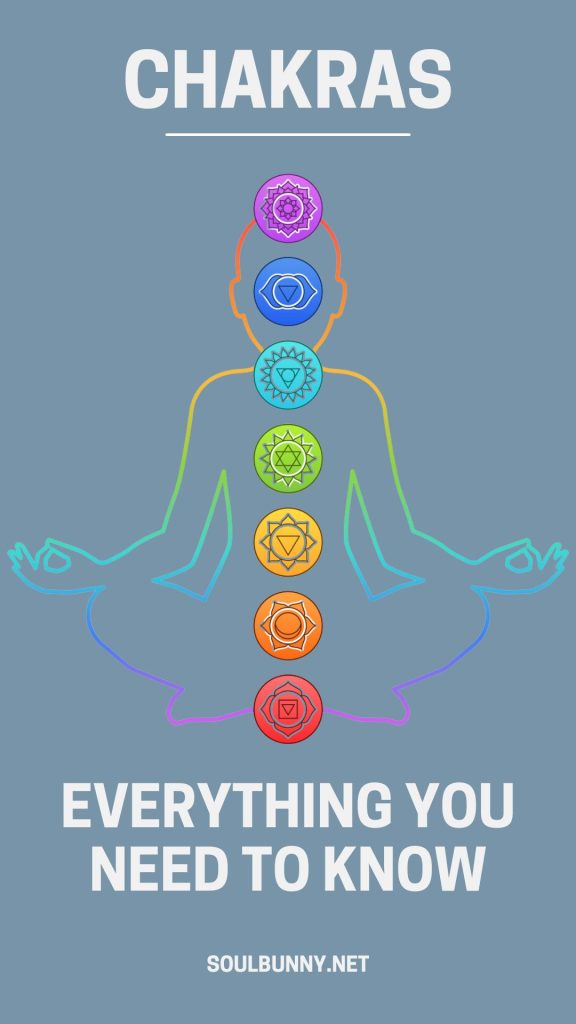
The Seven Main Chakras
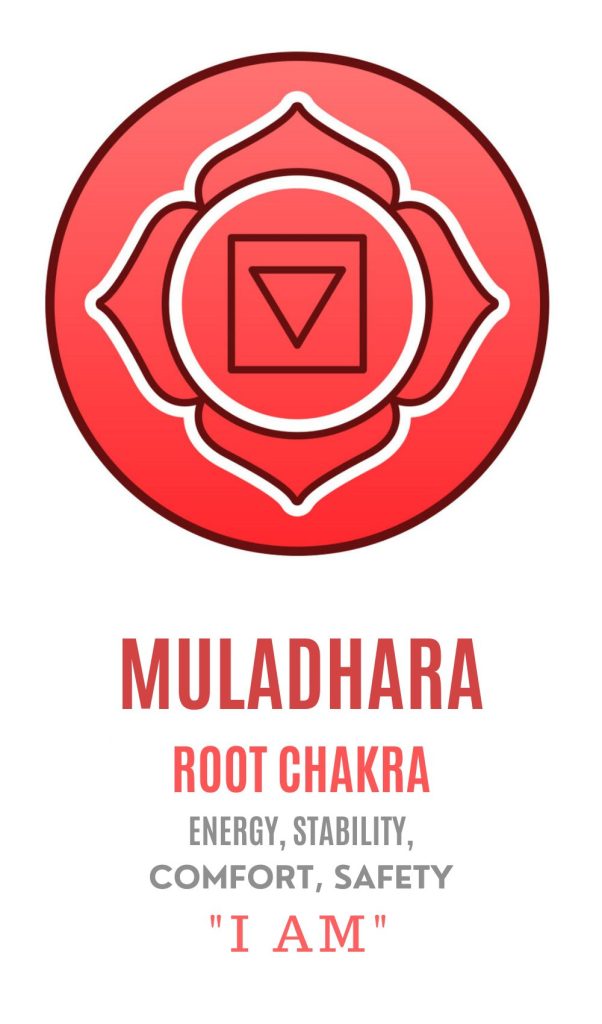
Root Chakra (Muladhara)
- Location: Base of the spine
- Color: Red
- Governs: Survival, security, and basic needs
- Signs of Balance: Feeling grounded, secure, and stable
- Signs of Imbalance: Anxiety, fear, disconnection from the body

Sacral Chakra (Svadhisthana)
- Location: Below the navel
- Color: Orange
- Governs: Creativity, sexuality, pleasure, and emotional body
- Signs of Balance: Creative expression, positive sexual experiences, emotional intelligence
- Signs of Imbalance: Creative blocks, sexual dysfunction, emotional instability

Solar Plexus Chakra (Manipura)
- Location: Upper abdomen, stomach area
- Color: Yellow
- Governs: Personal power, self-confidence, and self-control
- Signs of Balance: Strong self-esteem, clarity of purpose, personal motivation
- Signs of Imbalance: Low self-esteem, control issues, inability to set or maintain boundaries

Heart Chakra (Anahata)
- Location: Center of the chest, just above the heart
- Color: Green
- Governs: Love, compassion, and acceptance
- Signs of Balance: Loving relationships, compassion for oneself and others, feeling of connectedness
- Signs of Imbalance: Relationship issues, lack of self-love, feelings of isolation
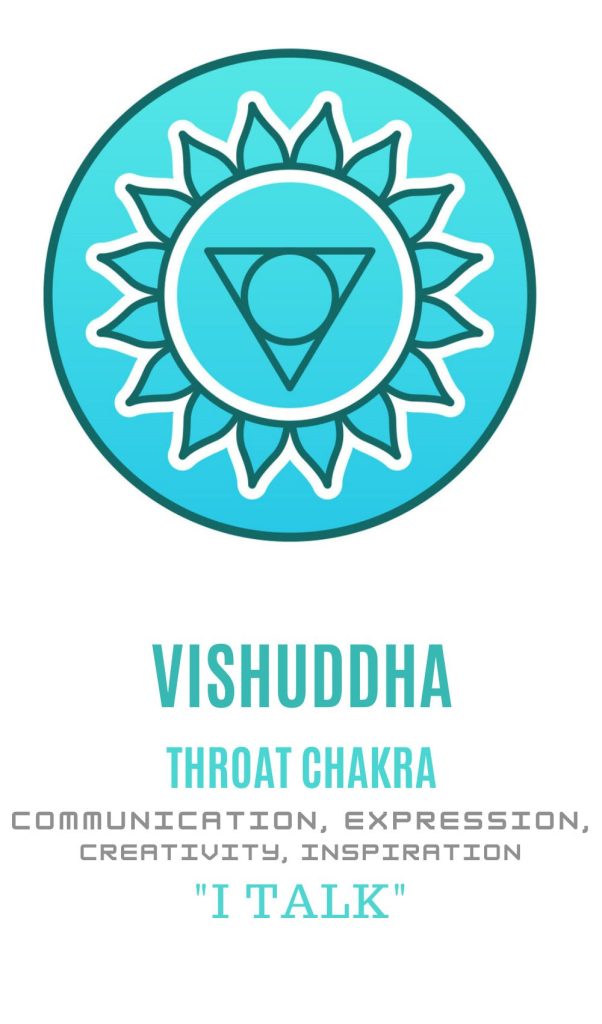
Throat Chakra (Vishuddha)
- Location: Throat
- Color: Blue
- Governs: Communication, expression, truth, and integrity
- Signs of Balance: Clear communication, honesty, ability to listen and express
- Signs of Imbalance: Communication difficulties, fear of speaking out, lying
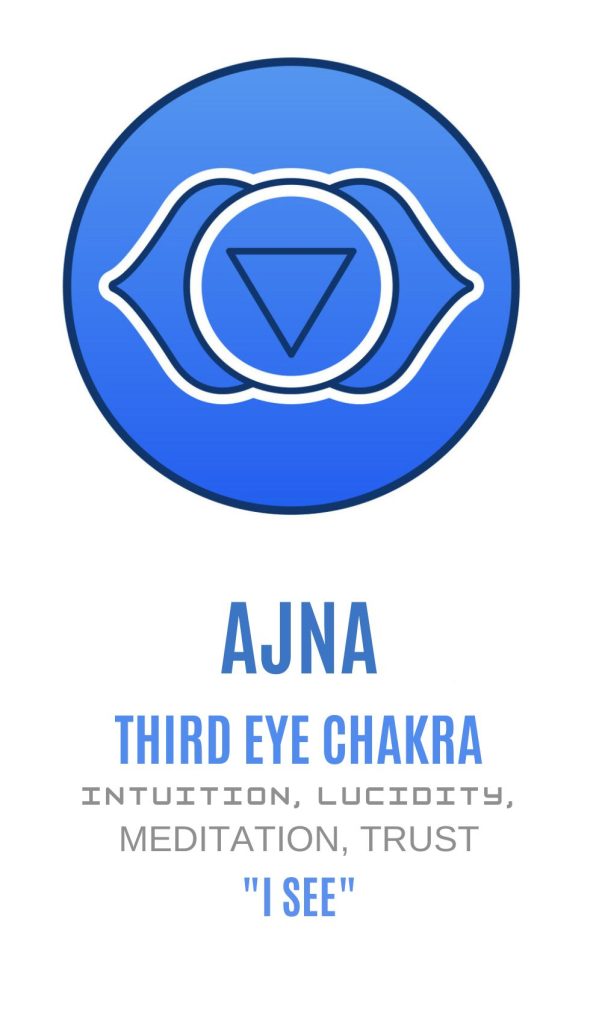
Third Eye Chakra (Ajna)
- Location: Forehead, between the eyes (also called the brow chakra)
- Color: Indigo
- Governs: Intuition, imagination, wisdom, ability to think and make decisions
- Signs of Balance: Strong intuition, clear vision, imaginative, well-disciplined mind
- Signs of Imbalance: Lack of direction, inability to see the bigger picture, over-reliance on rationality
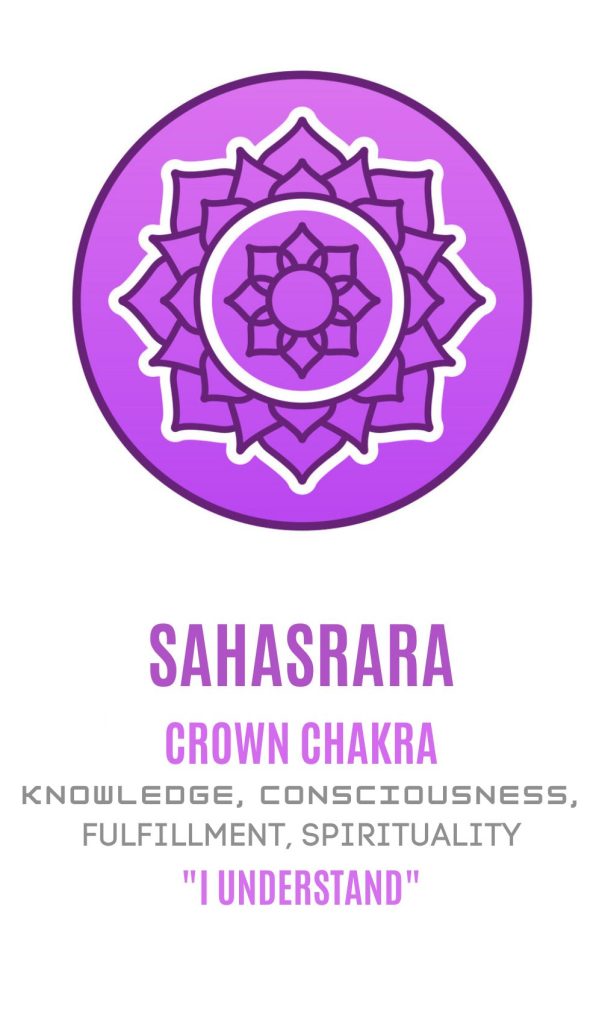
Crown Chakra (Sahasrara)
- Location: Top of the head
- Color: Violet or white
- Governs: Spirituality, connection to the divine
- Signs of Balance: Spiritual connection, enlightenment, blissful states of consciousness
- Signs of Imbalance: Spiritual disconnection, cynicism, closed-mindedness
Balancing and Healing Your Chakras
Balancing and healing your chakras is a crucial aspect of maintaining overall health and wellbeing. Different techniques can be employed to achieve this balance, each aligning with specific chakras.
Techniques for Balancing Each Chakra
- Root Chakra (Muladhara):
- Meditation and Yoga: Grounding poses like Tadasana (Mountain Pose) and visualization of a red light at the base of the spine.
- Crystals: Red Jasper, Hematite
- Essential Oils: Patchouli, Cedarwood
- Sacral Chakra (Svadhisthana):
- Meditation and Yoga: Hip-opening poses like Baddha Konasana (Butterfly Pose) and visualizing an orange light in the lower abdomen.
- Crystals: Carnelian, Tiger’s Eye
- Essential Oils: Ylang-Ylang, Orange
- Solar Plexus Chakra (Manipura):
- Meditation and Yoga: Core strengthening poses like Navasana (Boat Pose) and visualization of a yellow light in the upper abdomen.
- Crystals: Citrine, Yellow Jasper
- Essential Oils: Lemon, Ginger
- Heart Chakra (Anahata):
- Meditation and Yoga: Chest opening poses like Ustrasana (Camel Pose) and visualizing a green light in the chest.
- Crystals: Rose Quartz, Green Aventurine
- Essential Oils: Rose, Jasmine
- Throat Chakra (Vishuddha):
- Meditation and Yoga: Throat opening poses like Matsyasana (Fish Pose) and visualizing a blue light in the throat.
- Crystals: Lapis Lazuli, Blue Lace Agate
- Essential Oils: Peppermint, Chamomile
- Third Eye Chakra (Ajna):
- Meditation and Yoga: Balancing poses like Vrksasana (Tree Pose) and visualization of an indigo light at the forehead.
- Crystals: Amethyst, Purple Fluorite
- Essential Oils: Lavender, Clary Sage
- Crown Chakra (Sahasrara):
- Meditation and Yoga: Meditation focusing on the crown of the head and visualization of a violet or white light.
- Crystals: Clear Quartz, Selenite
- Essential Oils: Frankincense, Myrrh
The Importance of a Holistic Approach to Chakra Health
A holistic approach to chakra health involves understanding the interconnectedness of physical, emotional, and spiritual aspects of well-being. It’s not just about addressing one chakra in isolation but recognizing how each chakra impacts the others. This approach promotes a more profound and comprehensive form of healing and balance.
How Balanced Chakras Contribute to Overall Well-Being
Balanced chakras lead to a harmonious flow of energy throughout the body, enhancing physical, mental, and emotional health. This balance can result in:
- Physical Health: Improved energy levels, better sleep, and a stronger immune system.
- Mental Health: Greater clarity, focus, and reduced anxiety.
- Emotional Health: Enhanced emotional stability, increased self-awareness, and a deeper sense of inner peace.
- Spiritual Growth: A stronger connection with oneself and the universe, fostering a deeper sense of purpose and fulfillment.
Balancing chakras is a journey towards holistic health, offering a path to a more balanced and harmonious life.
Chakras in Everyday Life
Incorporating chakra awareness into daily life can enhance your physical, emotional, and spiritual well-being. Here are some practical tips for integrating this awareness:
Practical Tips for Integrating Chakra Awareness into Daily Routines
- Morning Meditation: Start your day with a few minutes of meditation, focusing on the chakras. Visualize each chakra, from the root to the crown, and imagine them aligning and opening.
- Mindful Movement: Incorporate yoga or stretching into your routine, with a focus on poses that stimulate different chakras.
- Chakra-Based Diet: Include foods that correspond to each chakra’s color in your diet, such as red apples for the root chakra or oranges for the sacral chakra.
- Chakra Affirmations: Use affirmations throughout the day to enhance each chakra’s energy, like “I am grounded and stable” for the root chakra.
Understanding How Emotions and Environments Affect Chakra Balance
- Emotional Awareness: Recognize which emotions are associated with each chakra and be mindful of how your emotional state might be affecting your chakras’ balance.
- Environment: Create an environment that supports chakra balance, like using specific colors in your decor or playing music that resonates with different chakras.
Ways to Nurture Each Chakra for Optimal Health and Energy Flow
- Root Chakra: Spend time in nature and practice grounding exercises.
- Sacral Chakra: Engage in creative activities and honor your emotions.
- Solar Plexus Chakra: Set personal goals and practice assertiveness.
- Heart Chakra: Practice self-love and forgiveness.
- Throat Chakra: Engage in open and honest communication.
- Third Eye Chakra: Cultivate your intuition through journaling or reflective practices.
- Crown Chakra: Dedicate time to spiritual practices or mindfulness.
Chakras are vital energy centers in our body that influence our physical, emotional, and spiritual health. Understanding and balancing these chakras can lead to a more harmonious and fulfilling life. By integrating chakra awareness into your daily routine and being mindful of the interconnectedness of your emotional and physical states, you can achieve a greater sense of well-being. I encourage you to explore your chakras further as a path to holistic wellness.
Additional Resources
For those interested in delving deeper into the world of chakras, here are some resources:
Books
- “The Chakra Bible” by Patricia Mercier
- “Eastern Body, Western Mind” by Anodea Judith
- “Wheels of Life: A User’s Guide to the Chakra System” by Anodea Judith
Websites
Guided Meditations and Yoga Practices
- Insight Timer (App with guided meditations)
- “Yoga for the Chakras” (YouTube series)
Exploring these resources can provide you with more in-depth knowledge and practical tools to work with your chakras, enhancing your journey toward holistic health and well-being.