
Introduction to Meditation


Meditation, a practice with ancient roots, has evolved into a popular tool for improving mental, emotional, and physical health. This comprehensive guide aims to introduce you to the world of meditation, exploring its various facets and benefits.

What is Meditation?
Meditation is a mental exercise that involves concentration, mindfulness, and awareness. It’s often used to achieve a heightened state of alertness and focused attention. The origins of meditation can be traced back to ancient cultures, where it was used for spiritual growth and connection.
Historical Context
Originating thousands of years ago in religious and spiritual traditions, meditation has been a cornerstone practice in Buddhism, Hinduism, Taoism, and other spiritual paths. It’s been adapted and secularized for modern use, focusing more on stress reduction and well-being.
Why Learn to Meditate?
The modern world, with its relentless pace and constant stimulation, has led to increased stress and anxiety. Meditation offers a reprieve, providing numerous benefits:
Mental and Emotional Benefits
- Stress reduction
- Enhanced emotional well-being
- Improved focus and concentration
- Reduction in anxiety
Physical Health Benefits
- Lower blood pressure
- Improved immune system
- Better pain management
- Enhanced sleep quality

References to Studies
Recent studies, such as those published in the Journal of the American Medical Association, have shown that meditation can significantly reduce anxiety, depression, and pain. This comprehensive review aimed to evaluate the efficacy of meditation programs in improving various stress-related outcomes, such as anxiety, depression, stress, and pain, among others. After analyzing 47 trials involving 3,515 participants, the study found moderate evidence of improved anxiety, depression, and pain through mindfulness meditation programs.
Basics
Before diving into the practice, it’s essential to understand some key concepts:
Mindfulness
Mindfulness is a foundational aspect of many meditation practices. It involves:
- Present-Moment Awareness: Mindfulness is about being fully present in the moment, paying attention to what is happening right now, both internally and externally.
- Non-Judgmental Observation: This involves observing thoughts, feelings, and sensations without labeling them as good or bad. It’s about accepting them as they are.
- Awareness of Thoughts and Emotions: Mindfulness teaches you to notice your thoughts and emotions, recognize their transient nature, and not get caught up in them.
- Daily Practice: Mindfulness can be practiced at any moment, not just during formal meditation sessions. It can be incorporated into daily activities like eating, walking, or listening.
Concentration
Concentration in meditation is about focusing your attention:
- Single-Point Focus: This involves directing your attention to a single point of focus, such as your breath, a mantra, a visual object, or even a sound.
- Managing Distractions: When your mind wanders, which is natural, you gently redirect your focus back to your chosen point of concentration.
- Building Mental Discipline: Regular practice of concentration helps in developing greater mental discipline, improving your ability to focus in other areas of life.
- Deepening Meditation: As your concentration improves, you can delve deeper into meditation, leading to a more profound sense of peace and clarity.
Both mindfulness and concentration are crucial in developing a strong meditation practice, each contributing to a greater understanding and control over your internal state.
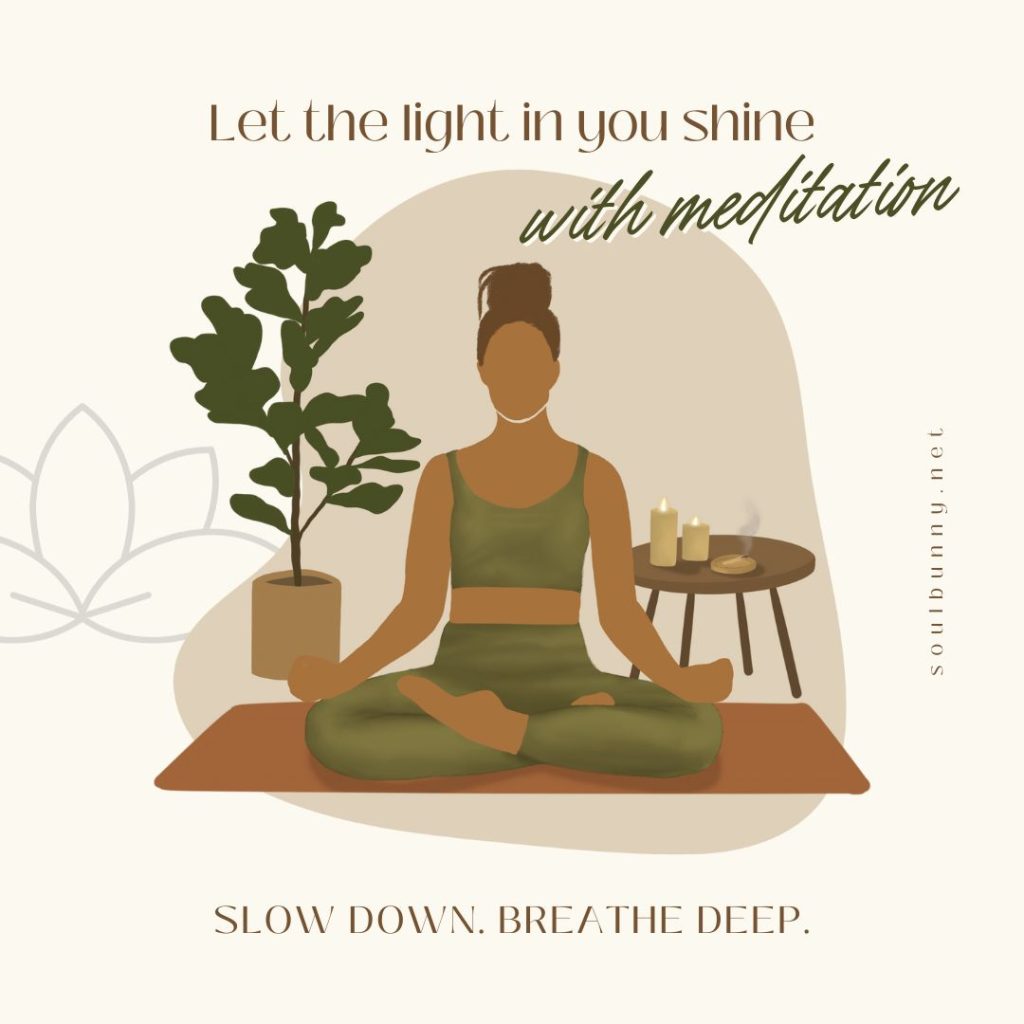
How to Meditate
- Choose a Quiet Spot:
- Select a location where interruptions are minimal. This could be a dedicated room, a quiet corner, or even a peaceful outdoor space.
- The environment should be comfortable and calming, with minimal distractions.
- Set a Time Limit:
- Starting with short sessions helps build a habit without feeling overwhelming.
- Use a timer to avoid the distraction of checking the time.
- Focus on Your Breath:
- Concentrate on the natural rhythm of your breathing. Notice the air entering and leaving your nostrils, or the rise and fall of your chest.
- When your mind wanders, gently bring your focus back to your breath without self-criticism.
Basic Meditations
- Breath Awareness Meditation:
- This involves focusing solely on your breathing.
- Observe the breath without trying to alter it. This helps to anchor the mind in the present moment.
- Body Scan Meditation:
- Begin at one end of your body (usually the feet) and gradually move your focus to each part, up to the top of your head.
- Pay attention to different sensations in each body part, such as tension, warmth, or relaxation, without trying to change anything.
These techniques form the core of a basic meditation practice, helping to develop concentration, awareness, and a deeper connection with your inner self.
Leveling Up: Advanced Techniques
- Loving-kindness Meditation (Metta):
- This practice involves directing feelings of love and compassion towards oneself and others.
- It often starts with self, then expands to loved ones, acquaintances, and eventually to all beings.
- The repetition of phrases like “May I be happy, may I be healthy” is common.
- Visualization:
- Involves forming mental images, often of peaceful, healing places or scenarios.
- The aim is to engage the mind in a positive, calming experience.
- Mantra Meditation:
- Focuses on repeating a word or phrase, known as a mantra.
- The mantra is a tool to help anchor the mind, allowing deeper states of focus and tranquility.
Posture and Positions
- Sitting:
- The classic meditation pose, either on a cushion on the floor or in a chair.
- The back should be straight but not tense, hands resting comfortably.
- Lying Down:
- Ideal for relaxation meditations, such as body scans.
- The challenge is to remain alert and not fall asleep.
- Walking Meditation:
- Involves walking slowly and mindfully, focusing on the movement of the feet and the sensations of walking.
- This is particularly useful for those who find stillness challenging.
Each of these techniques and postures can be adapted to suit individual preferences and needs, helping to deepen and enhance the meditation experience.
Scripts
Meditation scripts can guide your practice, especially useful for beginners.
Beginner’s Meditation Script
- Finding Your Space:
- Begin by finding a comfortable and quiet place where you won’t be disturbed. Sit in a comfortable position, either on a chair or a cushion on the floor, with your back straight but relaxed.
- Closing Your Eyes:
- Gently close your eyes and take a few deep breaths. Inhale deeply through your nose, hold for a moment, and then exhale slowly through your mouth.
- Body Awareness:
- Bring your attention to your body. Notice the points of contact between your body and the chair or floor. Feel the weight of your body and let yourself relax into these points of contact.
- Breath Focus:
- Shift your focus to your breath. Notice the sensation of air entering and leaving your nostrils, or the rise and fall of your chest or abdomen with each breath.
- Mindful Observation:
- When your mind wanders, which it naturally will, acknowledge the thoughts and then gently bring your attention back to your breath. Remember, the goal is not to clear the mind but to notice and gently redirect.
- Deepening Relaxation:
- With each exhale, imagine releasing tension in your body. Relax your shoulders, your jaw, your forehead. Feel the relaxation spread throughout your body.
- Ending the Session:
- After 5-10 minutes, or however long you’ve chosen to meditate, bring your awareness back to the room. Notice the sounds around you, the feel of the air on your skin. Gently wiggle your fingers and toes to bring movement back into your body.
- Opening Your Eyes:
- When you feel ready, slowly open your eyes. Take a moment to appreciate the calmness and clarity you’ve cultivated.
- Carrying Mindfulness:
- As you end your meditation, set an intention to carry this mindfulness into the rest of your day.

Remember, meditation is a personal journey, and this script can be modified to suit your preferences and needs. The key is regular practice and patience.
Understanding Your Body
- Tuning Into Sensations: During meditation, pay attention to any physical sensations in your body, whether it’s tension, relaxation, warmth, or coolness.
- Mind-Body Connection: This awareness helps in understanding the mind-body connection, how mental states can affect physical sensations, and vice versa.
- Embracing Discomfort: Sometimes, meditation can bring awareness to discomfort or pain in the body. Learning to observe these sensations without judgment can be a part of the practice.
- Progressive Relaxation: Techniques like the body scan meditation help in progressively relaxing different parts of the body, which can lead to deeper relaxation and mindfulness.
Consistency
- Building a Habit: Regular practice, even for short periods, is more beneficial than sporadic, longer sessions. It’s about quality and regularity.
- Setting a Routine: Try to meditate at the same time each day to establish it as a habit. Morning meditations can set the tone for the day, while evening sessions can help in unwinding.
- Adaptability: Be flexible with your practice. If you miss your usual time, find another moment in the day.
- Tracking Progress: Keeping a meditation journal or using apps can help track your progress and maintain motivation.
Incorporating an understanding of bodily sensations and maintaining consistency are crucial for deepening the meditation practice and reaping its full benefits.
Benefits
The benefits of meditation are far-reaching, impacting all areas of life. From reducing stress to improving concentration and fostering a deeper sense of peace, the practice can transform your life.
Meditation is more than just a relaxation technique; it’s a journey towards self-discovery and improved well-being. Whether you’re seeking mental clarity, emotional stability, or physical health, meditation offers a path to achieving a balanced and fulfilling life.


